

Frequently asked questions
Is phlebectomy painful?
You will feel the local anaesthetic injections, which can sting briefly. After this you may be aware of some pulling or pressure, but you should not feel pain. Soreness and bruising afterwards are common and manageable with over-the-counter pain relief.
Will I have scars?
The incisions are very small and usually heal to fine marks that fade over several months and become difficult to see.
Will I need stitches?
Stitches are not normally required. The incisions are closed with paper strips or simply covered with a dressing.
Why is phlebectomy often combined with EVLA?
EVLA closes the underlying vein that is causing the problem, and phlebectomy removes the visible veins it was feeding. Treating both at the same visit gives a more complete result with a single recovery.
How is phlebectomy different from foam sclerotherapy?
Phlebectomy removes the vein, so the result is immediate, and it is well suited to larger bulging veins. Foam sclerotherapy closes the vein with an injection and avoids incisions, but the vein takes time to fade and more than one session may be needed.
When can I return to work and exercise?
Most patients return to work and normal daily activities within one to three days. Walking is encouraged straight away. Strenuous exercise, heavy lifting and swimming are usually avoided for one to two weeks.
Meet our specialists
Consultant histopathologist
Niamh Leonard
Bio
Dr Niamh Leonard is a Consultant Histopathologist at St James's Hospital, Dublin, with specialist interests in dermatopathology and urological pathology. She graduated from Trinity College Dublin in 1991 and began her histopathology training at St James's Hospital before training further in London. She held consultant posts in Newcastle and Liverpool, where she helped establish a School of Pathology and led lean transformation work in the laboratory. She returned to St James's Hospital in 2011 and in 2022 became Clinical Director of the Laboratory Medicine Directorate.
At Surgical Institute Dublin, Dr Leonard provides specialist dermatopathology reporting on skin biopsies and excisions, including the diagnosis, grading and margin assessment of skin cancers.
Consultant dermatologist
Eoin Storan
Bio
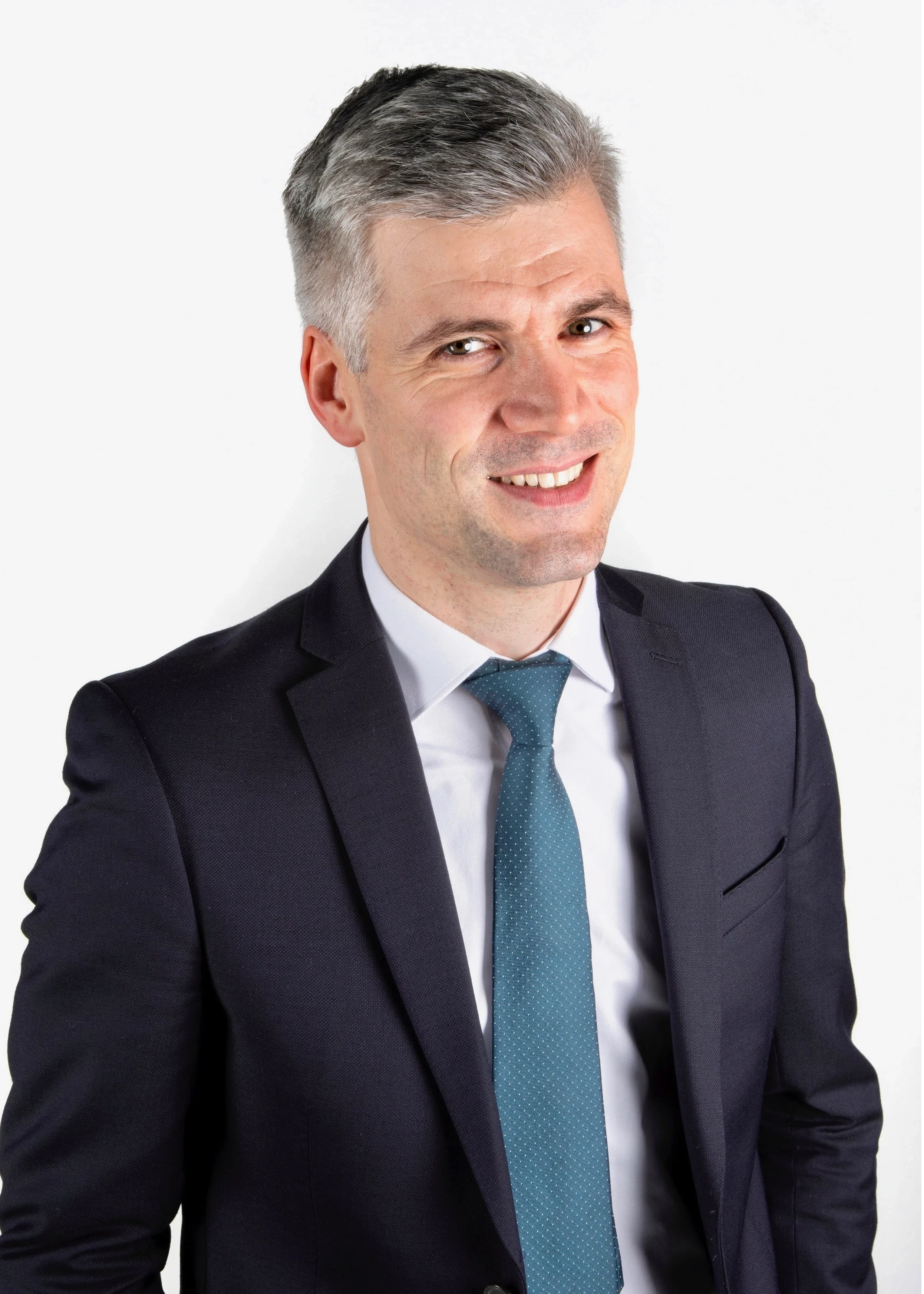
Dr Eoin Storan, MB BCh BAO, MRCPI, Dip Clin Ed, is a graduate of NUI Galway. He completed his Basic Specialist Training at Galway University Hospital and was awarded Membership of the Royal College of Physicians of Ireland. He undertook further training in Internal Medicine and Dermatology during his residency at the Mayo Clinic, Rochester, Minnesota, where he published clinical research.
At Surgical Institute Dublin, Dr Storan assesses and surgically treats skin lesions, moles, cysts and skin cancers under local anaesthetic.
SecretarySusan Hand
Emaileoinstoranoffice@imeddoc.com
Consultant dermatologist and Mohs surgeon
Laura Nestor
Bio
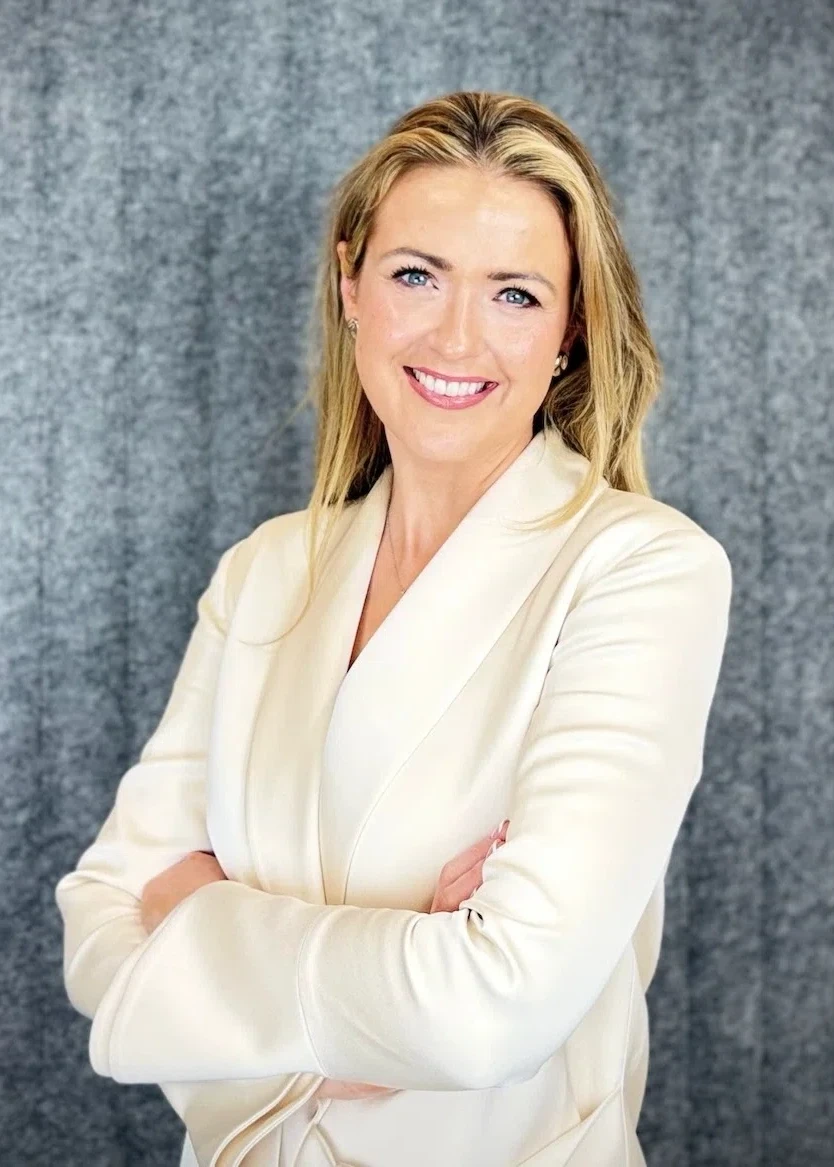
Dr Laura Nestor is a Consultant Dermatologist and Mohs Micrographic Surgeon. She graduated with first-class honours from NUI Galway and holds MB BCh BAO, MRCPI and MRCP (UK) (Dermatology). She gained skin cancer and general dermatology experience in London and completed specialist dermatology training in Oxford, followed by international fellowship training in Mohs micrographic and laser surgery at Newcastle upon Tyne Hospitals NHS Foundation Trust. Her clinical interests include skin cancer diagnosis and surgery, Mohs surgery, mole mapping, general adult and paediatric dermatology, hair disorders and vulval skin disorders. She is a member of the British Society for Dermatological Surgery and practises at Bon Secours Hospital Galway.
At Surgical Institute Dublin, Dr Nestor provides skin cancer and skin lesion consultations, including full-body skin examination and mole assessment, and performs skin cancer and skin lesion surgery, including Mohs micrographic surgery, under local anaesthetic.
Emaillnestor_referrals@bonsecours.ie
Consultant plastic, reconstructive and aesthetic surgeon
Silvia Marino
Bio
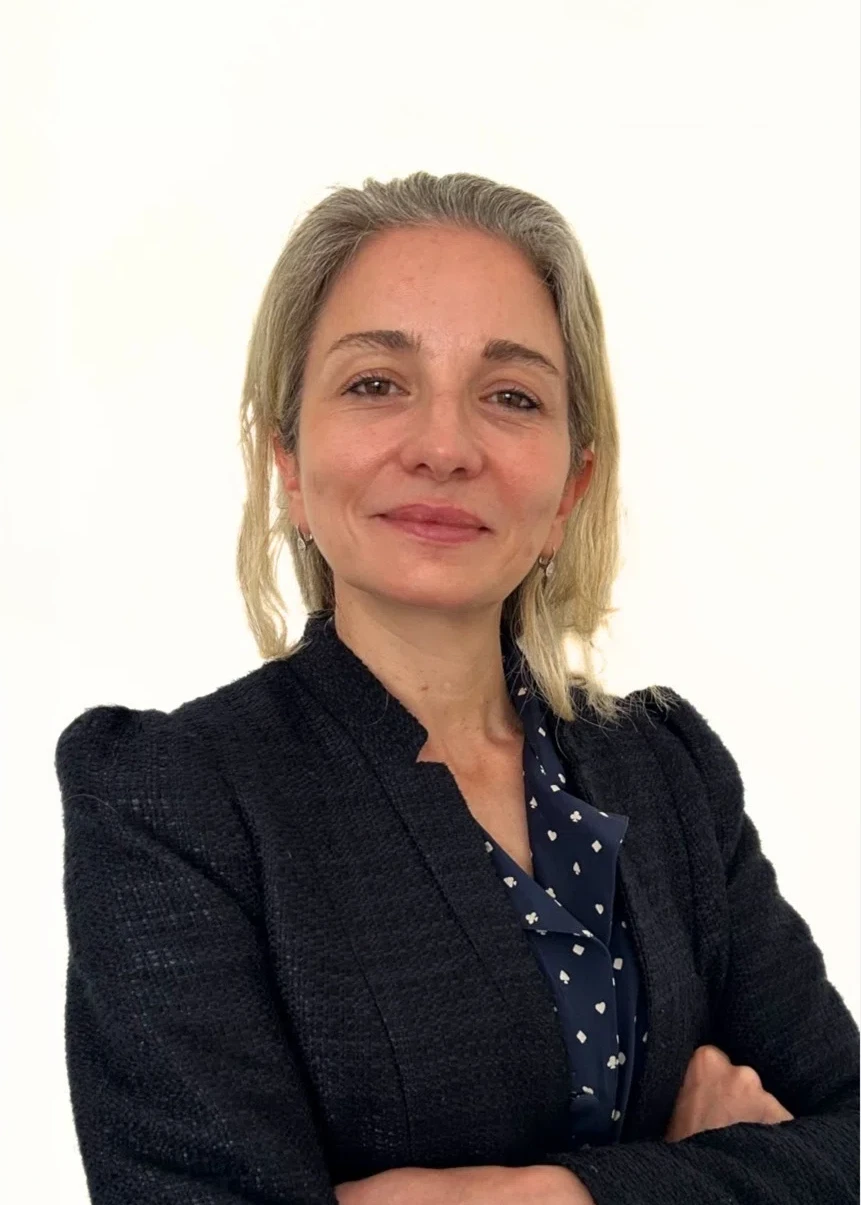
Ms Silvia Marino is a Consultant Plastic, Reconstructive and Aesthetic Surgeon with extensive training in both reconstructive and aesthetic procedures. She holds an MD, a PhD and the European Board Certification in Plastic, Reconstructive and Aesthetic Surgery (FEBOPRAS). She completed her specialist training in Italy and has held senior clinical roles in high-volume teaching hospitals in Ireland and the United Kingdom, including St Vincent's University Hospital, Dublin, and the Canniesburn Plastic Surgery Unit, Glasgow. Her experience includes body contouring, breast reconstruction, skin cancer surgery and complex soft tissue reconstruction.
At Surgical Institute Dublin, Ms Marino provides skin lesion and skin cancer surgery, hand surgery and minor plastic surgical procedures under local anaesthetic. Her wider practice in breast reconstruction is provided outside Surgical Institute Dublin.
Consultant dermatologist
Caitriona Ryan
Bio
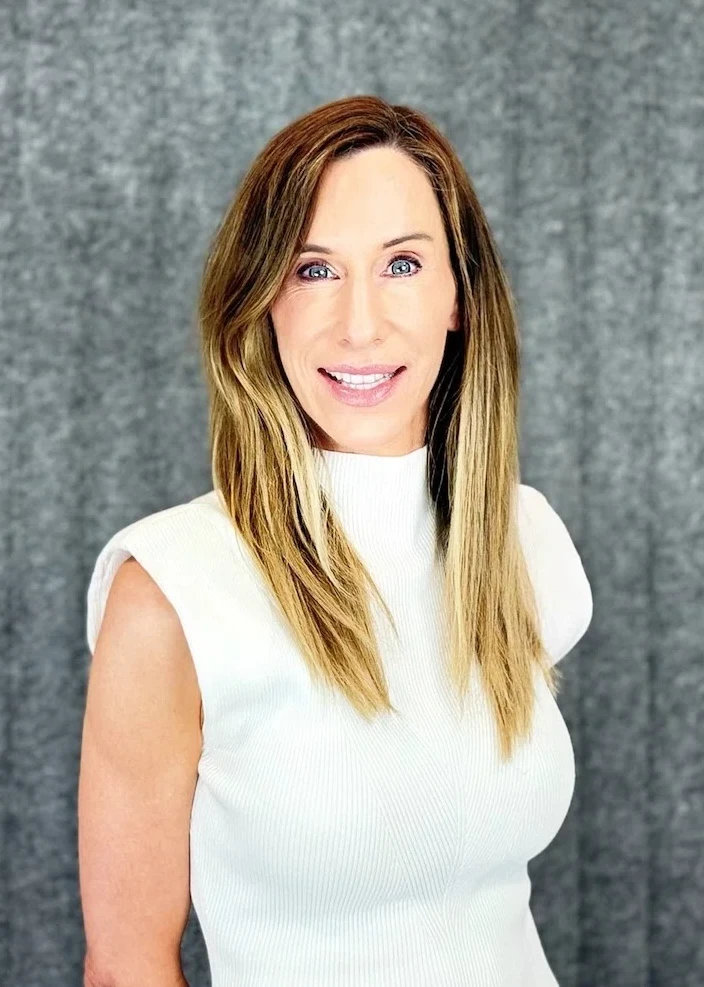
Professor Caitriona Ryan is a Consultant Dermatologist and co-founder of the Institute of Dermatologists and Surgical Institute Dublin. Professor Ryan graduated from University College Dublin with a first-class honours medical degree, first in her class. She began her training as a Dermatology Specialist Registrar at St Vincent's Hospital and completed a dermatology residency and research fellowship at the esteemed Baylor Dermatology Residency Program in Dallas, Texas. Professor Ryan has a particular interest in skin cancer.
At Surgical Institute Dublin, Professor Ryan surgically treats skin lesions, moles, cysts and skin cancers under local anaesthetic. Her wider practice in medical and cosmetic dermatology, including psoriasis, acne, eczema and hair loss, is provided outside Surgical Institute Dublin.
SecretaryKatie Hale
Emailcryanoffice@instituteofdermatologists.ie
Consultant dermatologist
Saroj Verma
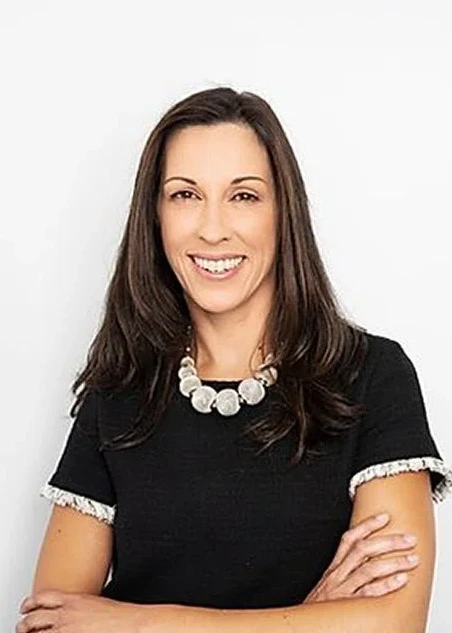
Bio
Dr Saroj Verma is a Consultant Dermatologist on the Specialist Register. She graduated from University College Dublin in 2004 with a medical degree and a Bachelor of Medical Science degree, and completed her Higher Professional Training in Dermatology in Ireland in June 2015. Her research interest is in autoimmune skin disease, in particular cutaneous lupus and dermatomyositis, and she completed her fellowship at the University of Pennsylvania in 2012. Dr Verma is a member of several professional societies, including the Royal College of Physicians of Ireland, the Irish Association of Dermatologists, the British Association of Dermatologists and the British Society for Photodermatology.
At Surgical Institute Dublin, Dr Verma assesses and surgically treats skin lesions, moles, cysts and skin cancers in adults under local anaesthetic. Her wider practice in medical dermatology, including inflammatory skin disease, is provided outside Surgical Institute Dublin.
SecretaryPolina Chester
EmailSvermaoffice@instituteofdermatologists.ie
Consultant plastic, reconstructive and aesthetic surgeon
Éilís Fitzgerald
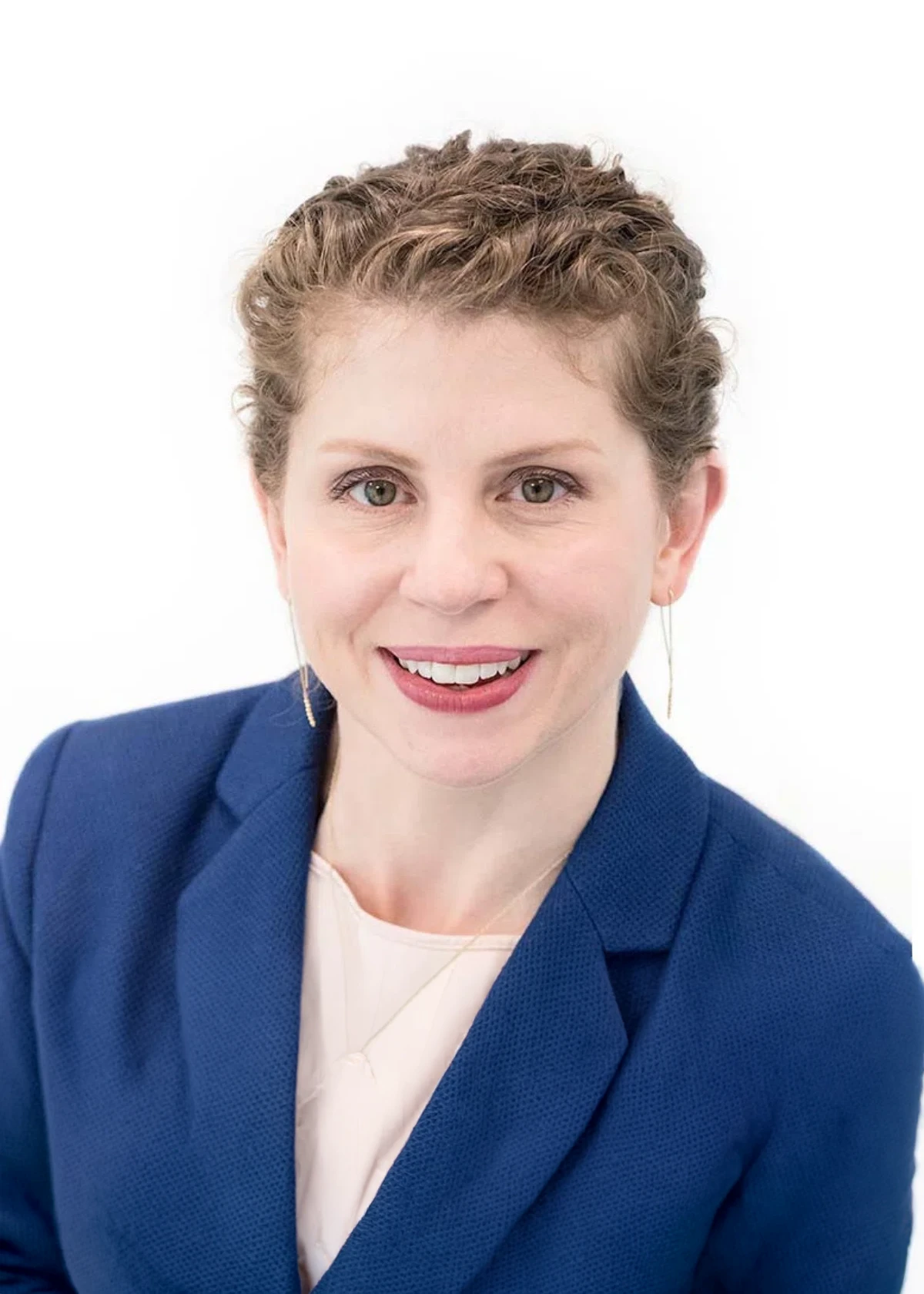
Bio
Ms Éilís Fitzgerald is a Consultant Plastic Surgeon and Clinical Director of Surgical Institute Dublin. She graduated with honours from UCD in 2001. Following basic surgical training, she undertook a master's degree in surgery, researching the healing of problematic skin wounds. She was then appointed to the higher surgical training scheme in plastic, reconstructive and aesthetic surgery under the auspices of the Royal College of Surgeons in Ireland, completing her training in 2012. She has a subspecialty interest in scar management and laser surgery. The hallmark of her practice is individualised, evidence-based care, delivered with skill and compassion.
At Surgical Institute Dublin, she provides skin lesion and skin cancer surgery, hand surgery and minor plastic surgical procedures under local anaesthetic. Her wider practice in breast reconstruction is provided outside Surgical Institute Dublin.
SecretarySheila / Annie
EmailOffice@fitzgeraldplasticsurgery.ie
Consultant dermatologist
Donna Cummins
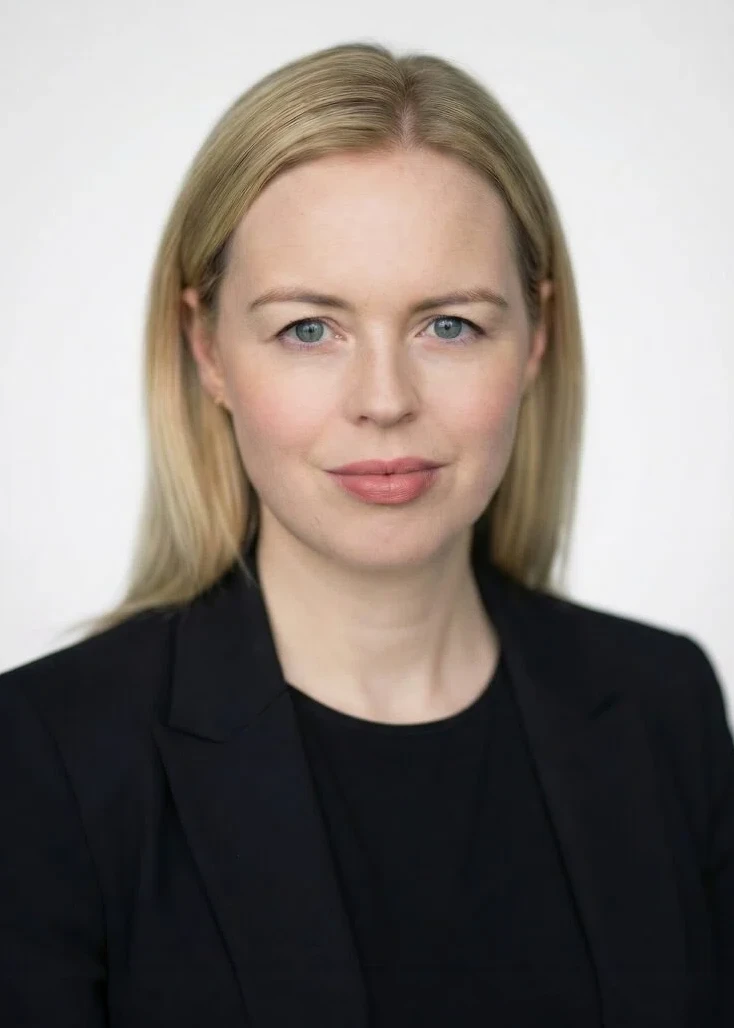
Bio
Dr Donna Cummins is a Consultant Dermatologist and fellowship-trained hair specialist with extensive experience in surgical dermatology. She completed her medical and postgraduate specialist training at internationally recognised centres including Addenbrooke's Hospital, Cambridge; Guy's and St Thomas' Hospital, London; and Salford Royal Hospital, Manchester. She has received advanced training in medical dermatology, skin cancer care and specialist dermatology services. She completed the prestigious UK Fellowship in Hair and Scalp Disorders, including specialist training at NYU Langone, New York, a world-leading centre for hair disorders.
At Surgical Institute Dublin, Dr Cummins provides skin cancer and skin lesion consultations, including full-body skin examination and mole assessment. Her wider practice in medical dermatology and hair disorders is provided outside Surgical Institute Dublin.
Emailoutpatientsclinic@beaconhospital.ie
Consultant dermatologist
Sharareh Ahmadi
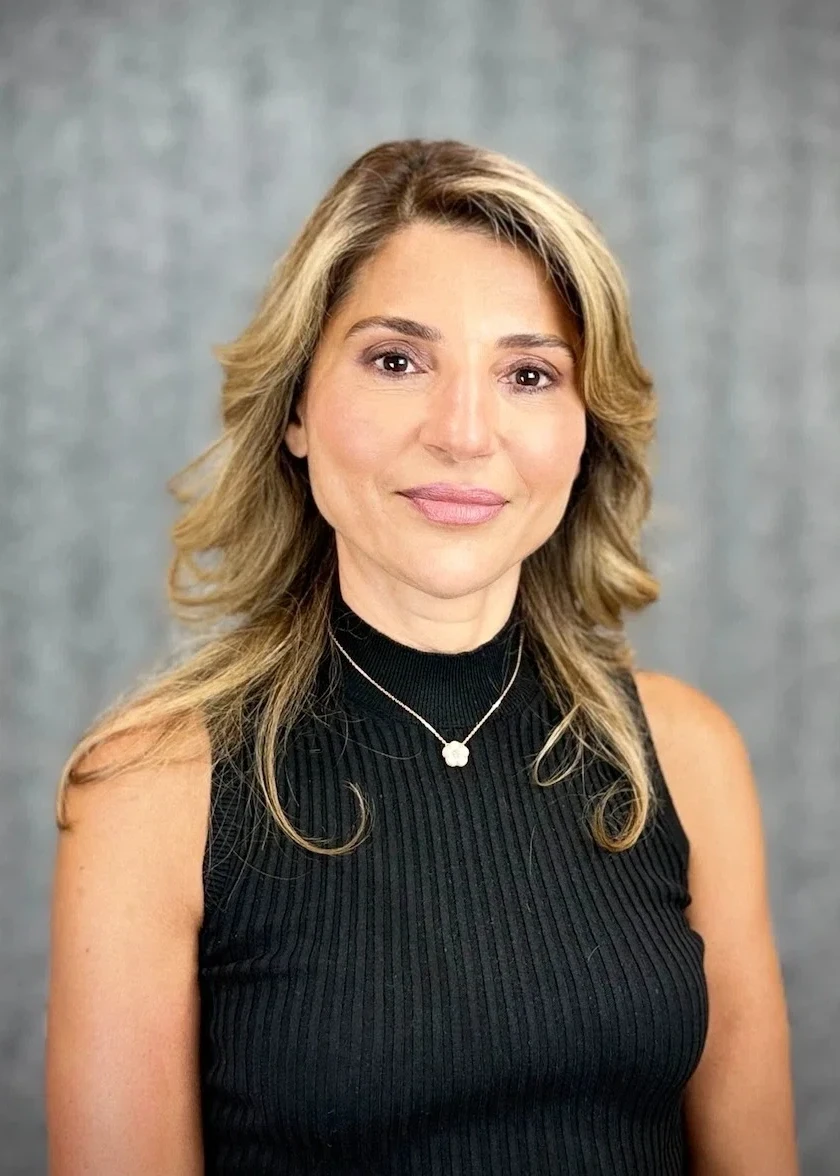
Bio
Dr Sharareh Ahmadi graduated from the Royal College of Surgeons in Ireland in 1995. She completed her specialist training in Dermatology in Ireland and the UK and entered the Irish Medical Council Specialist Register for Dermatology in 2005. Dr Ahmadi is a member of the Royal College of Physicians of Ireland, the Irish Association of Dermatologists and the British Association of Dermatologists. Her special interest is skin cancer treatment and prevention.
At Surgical Institute Dublin, Dr Ahmadi assesses and surgically treats skin lesions, moles, cysts and skin cancers under local anaesthetic. Her medical dermatology practice, including acne and rosacea, is provided outside Surgical Institute Dublin.
SecretaryMichelle/ Ireen
Consultant dermatologist
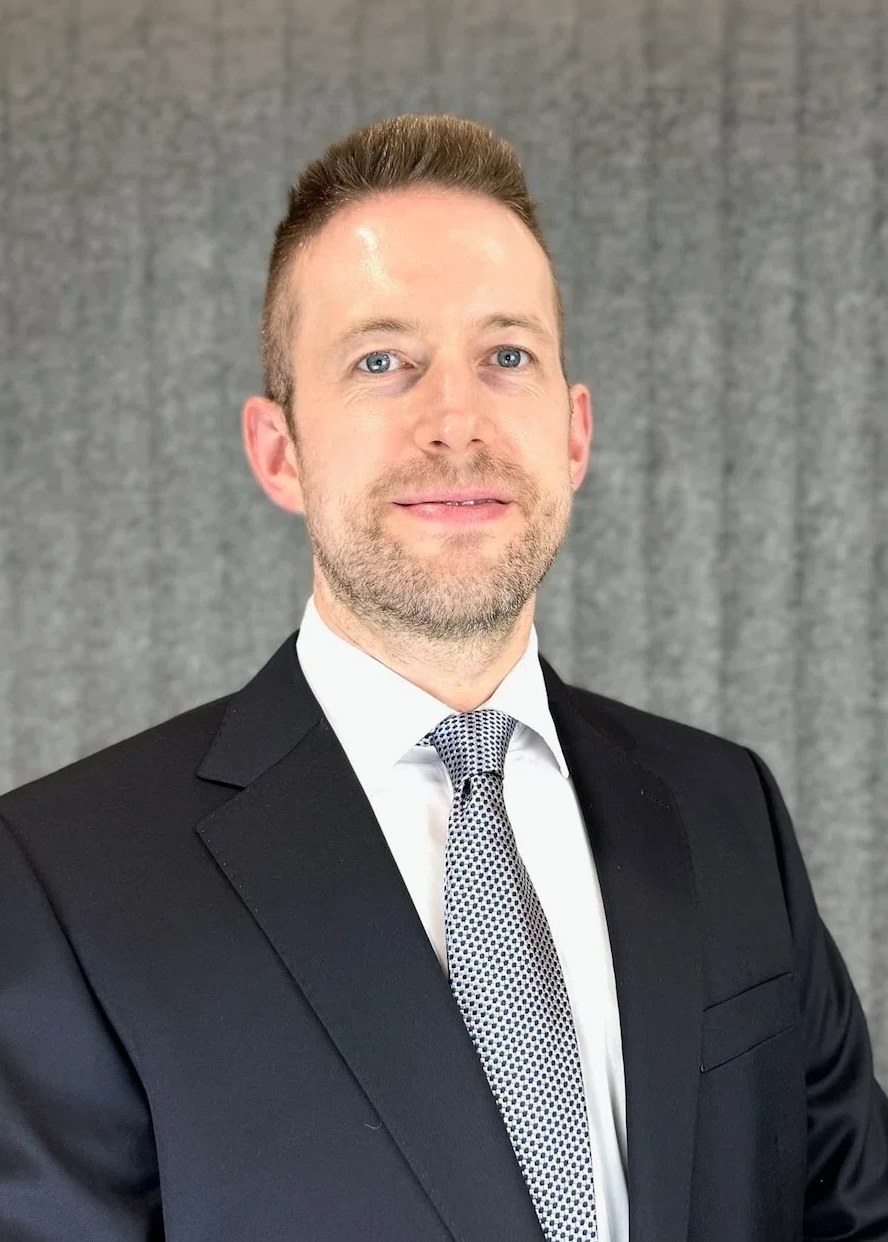
Richard Watchorn
Bio
Professor Richard Watchorn graduated from University College Dublin in 2009. After training in general internal medicine at Beaumont Hospital, he undertook specialist training in dermatology in the south-west of England. He has a particular interest in skin cancer, including skin cancer in immunosuppressed individuals.
At Surgical Institute Dublin, Professor Watchorn surgically treats skin lesions, moles, cysts and skin cancers under local anaesthetic. His wider practice in general adult and inflammatory dermatology is provided outside Surgical Institute Dublin.
SecretaryVivienne
Emailrwatchornrooms@beaumont.ie
Consultant dermatologist
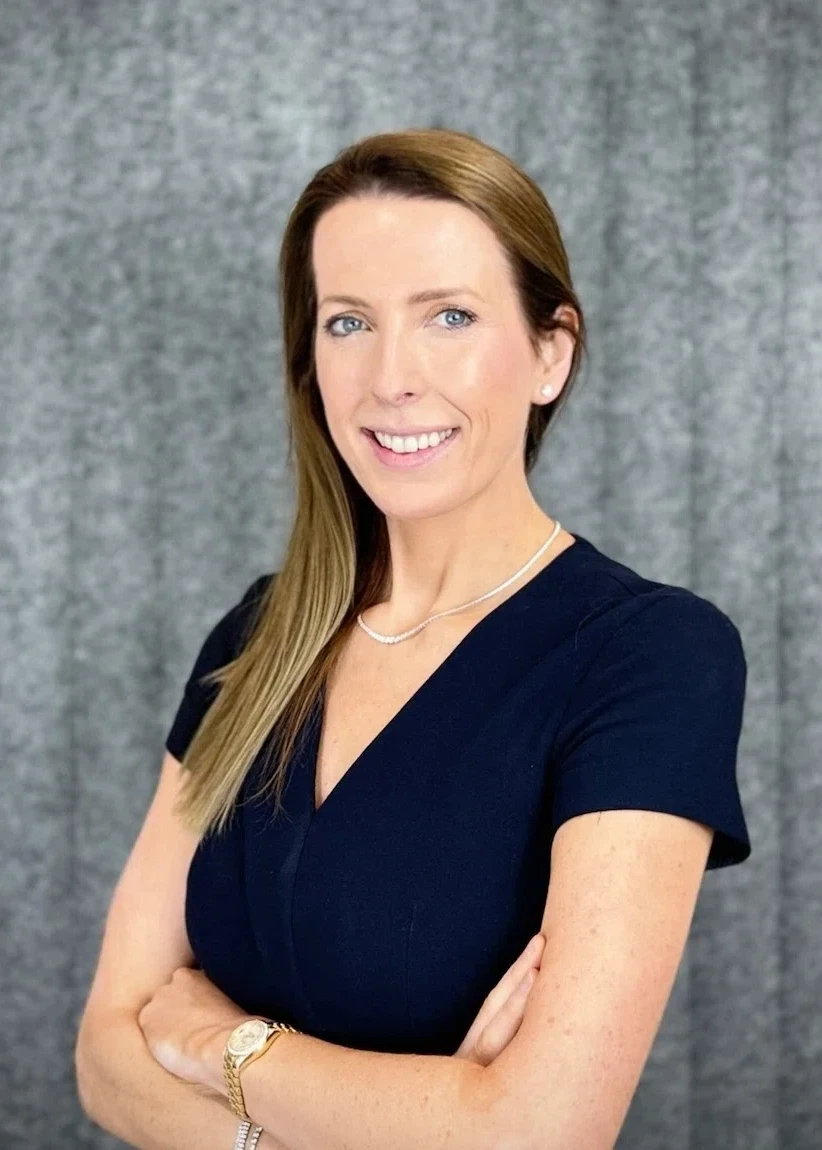
Eleanor Higgins
Bio
Professor Eleanor Higgins graduated with honours from the National University of Ireland Galway in 2006. She undertook specialist training in Dermatology in Ireland and then completed a senior clinical fellowship in Medical Dermatology and Therapeutics at the world-renowned St John's Institute of Dermatology, London.
At Surgical Institute Dublin, Professor Higgins assesses and surgically treats skin lesions, moles, cysts and skin cancers under local anaesthetic. Her wider practice in cosmetic and medical dermatology, including acne, rosacea, eczema and psoriasis, is provided outside Surgical Institute Dublin.
SecretaryNicola / Catherine
Emailoffice.eleanor.higgins@blackrockhealth.com
Call+353 1 524 2655 / +353 89 618 6847
Consultant dermatologist
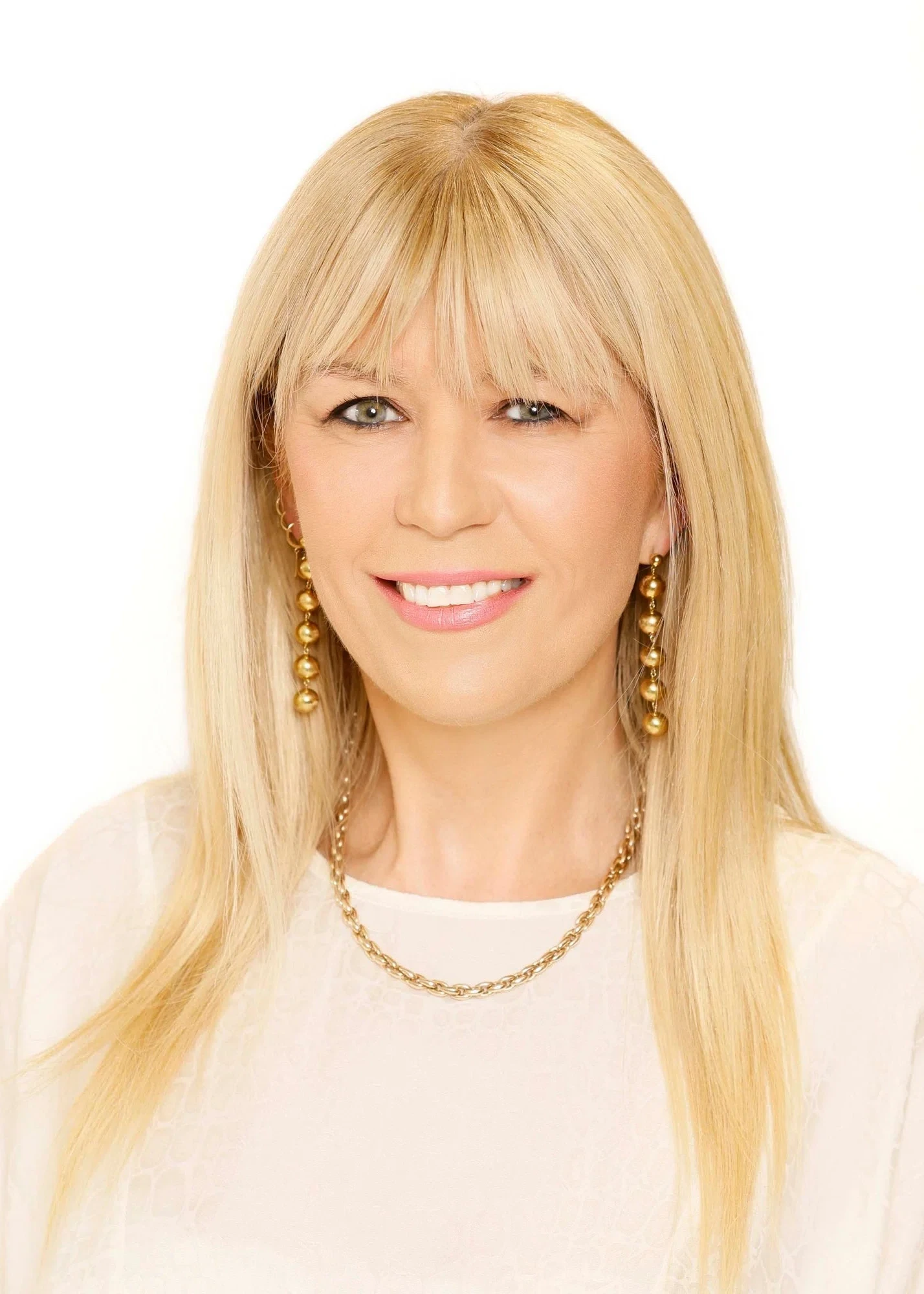
Genevieve Kelly
Bio
Dr Genevieve Kelly is a Consultant Dermatologist on the Specialist Register for Dermatology in Ireland. Dr Kelly graduated with honours from The Royal College of Surgeons in Ireland in 2000. She initially trained as a GP, obtaining her MRCGP with distinction in 2007, and worked in primary care until 2011. She has a particular interest in melanoma and non-melanoma skin cancer.
At Surgical Institute Dublin, Dr Kelly surgically treats skin lesions, moles, cysts and skin cancers under local anaesthetic. Her wider practice in general medical dermatology and cosmetic dermatology is provided outside Surgical Institute Dublin.
SecretaryCatherine Stafford
EmailGenevieve.Kelly@blackrockhealth.com
Consultant radiologist
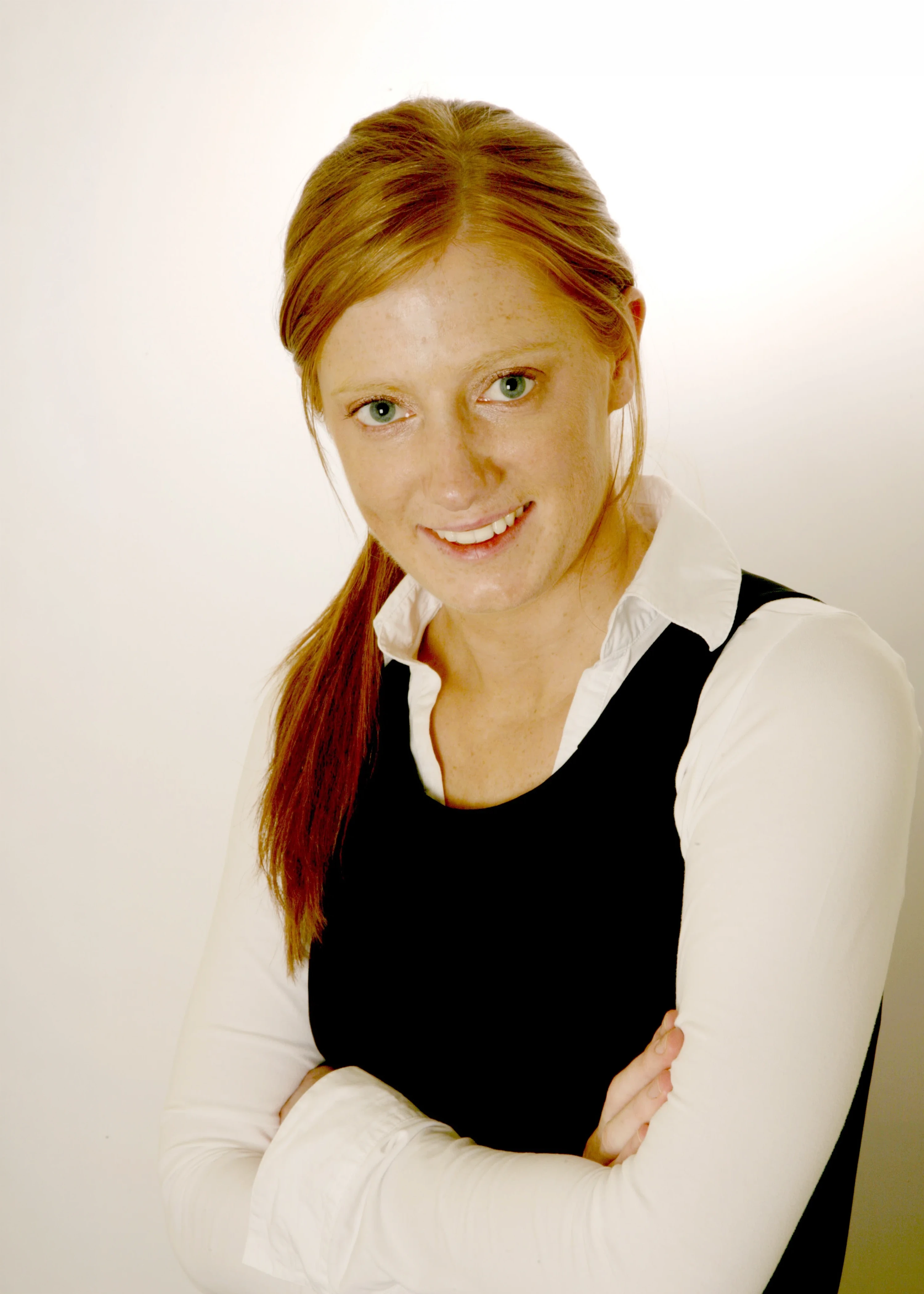
Niamh Long
Bio
Dr Niamh Long is a Consultant Radiologist. She graduated in medicine from University College Cork and initially trained in surgery before completing her radiology training at the Mater Misericordiae University Hospital, Dublin. She completed a Musculoskeletal Intervention fellowship at the National Orthopaedic Hospital Cappagh, a Musculoskeletal Imaging fellowship at NYU Langone Medical Center, New York, and Body Oncologic Imaging and PET/CT fellowships at Memorial Sloan Kettering Cancer Center, where she subsequently worked as an attending radiologist. Dr Long holds consultant appointments at the Mater Misericordiae University Hospital, the Mater Private Network and the National Orthopaedic Hospital Cappagh, with a special interest in musculoskeletal imaging and intervention, musculoskeletal ultrasound, multiparametric MRI and PET imaging.
At Surgical Institute Dublin, Dr Long provides image-guided pain injections under local anaesthetic.
Emailniamh.long@surgicalinstitute.ie
Consultant dermatologist
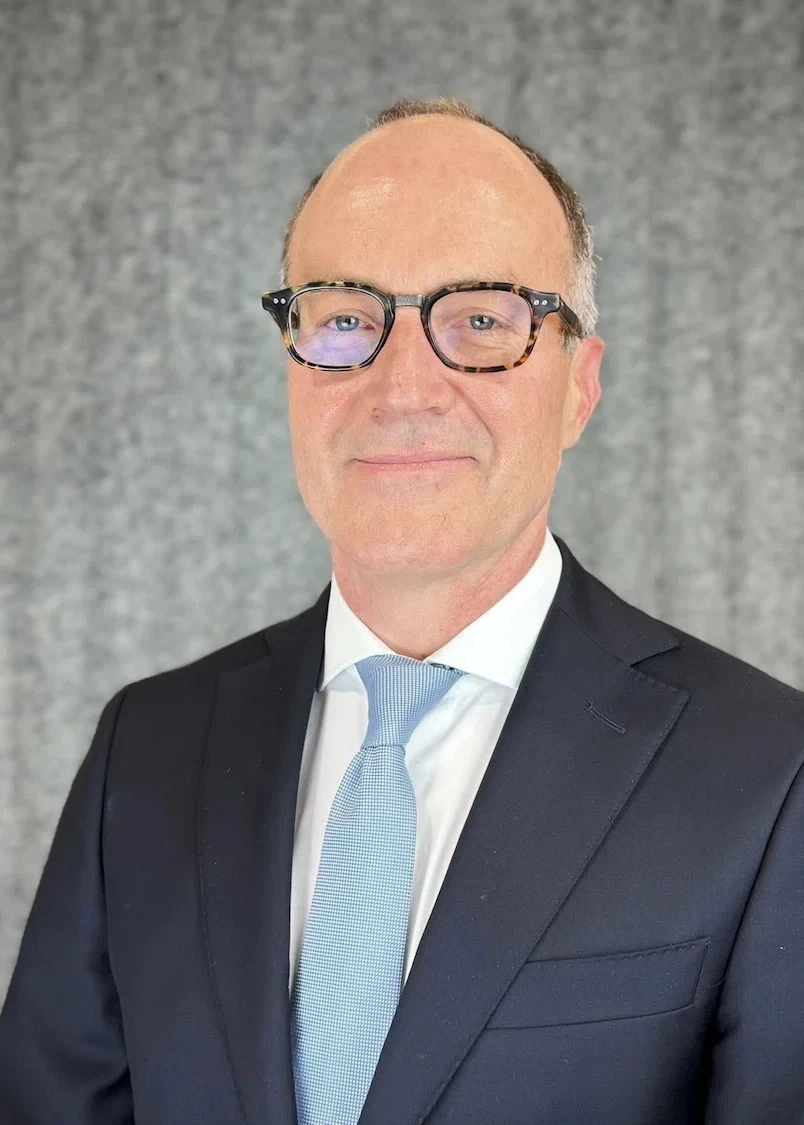
Patrick Ormond
Bio
Dr Patrick Ormond is a Consultant Dermatologist and Mohs Micrographic Surgeon. Dr Ormond graduated from the University of Dublin, Trinity College, and completed Specialist Dermatology Training with the Royal College of Physicians of Ireland, of which he is a Fellow. He undertook fellowship training in Mohs Micrographic Surgery at the Royal Victoria Infirmary, Newcastle upon Tyne, and is an Honorary Fellow in Mohs Micrographic Surgery at the University of Wales, Cardiff.
At Surgical Institute Dublin, Dr Ormond provides skin cancer and skin lesion surgery, including Mohs micrographic surgery, under local anaesthetic.
SecretaryMary Corrigan, Sarah Corrigan
Emailpatrick.ormond@blackrockhealth.com
Consultant ophthalmic and oculoplastic surgeon
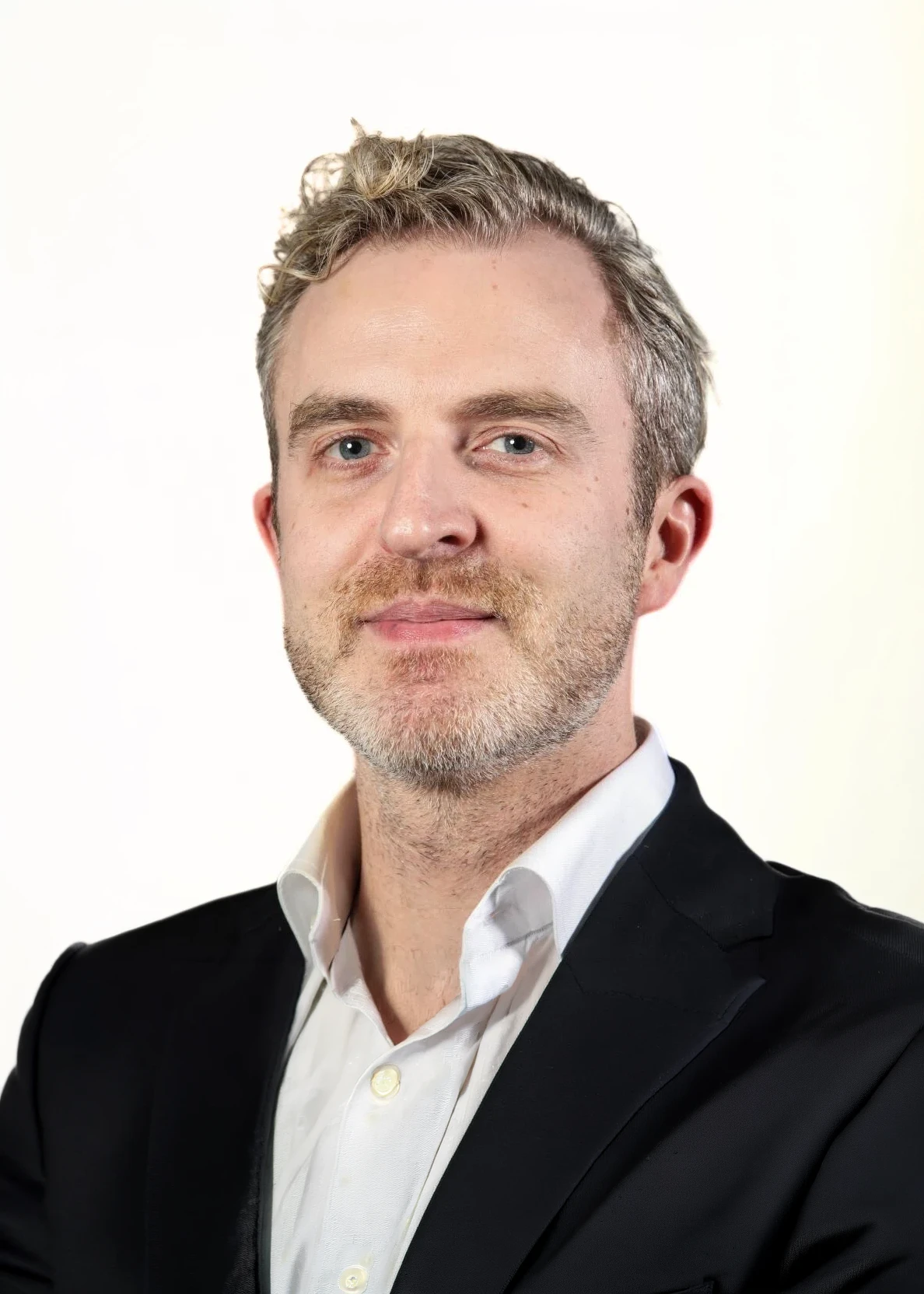
Micheál O’Rourke
Bio
Mr Micheál O'Rourke is a Consultant Ophthalmic Surgeon specialising in oculoplastic surgery. He graduated with honours from Trinity College Dublin (MB BCh BAO) in 2007. Following years of intensive training on the Irish Ophthalmic Surgery training programme, covering all areas of ophthalmic medicine and surgery, he became a Fellow of the Royal College of Surgeons in Ireland (FRCSI (Ophth)) in 2019. As a dual-trained surgeon, he combines the precision of intraocular microsurgery with the aesthetic and reconstructive principles of plastic surgery. This blend of training balances cosmetic and corrective surgery while maintaining the natural form and function of the eyelid and periocular area, and his understanding of the complex anatomy of this delicate area helps to achieve natural-looking results.
At Surgical Institute Dublin, Mr O'Rourke provides surgery for skin lesions and skin cancers of the eyelid and periocular area, upper blepharoplasty and brow lifts under local anaesthetic.
SecretaryRachael
Emailenquiries@drmichealorourke.com
Consultant plastic, reconstructive and aesthetic surgeon
Catriona Lawlor
Bio
Ms Catriona Lawlor was educated at the University of Saskatchewan, Canada, where she received a Bachelor of Science (BSc) with honours in Anatomy, followed by a medical degree (MD) with honours. She completed her plastic surgery training at the University of British Columbia and was awarded a Fellowship of the Royal College of Physicians and Surgeons of Canada in plastic and reconstructive surgery.
At Surgical Institute Dublin, Ms Lawlor provides skin lesion and skin cancer surgery under local anaesthetic. Her wider practice in implant-based breast reconstruction, including the use of acellular dermal matrices and advanced techniques such as lipofilling, is provided outside Surgical Institute Dublin.
SecretaryAnne Mc Carthy
Consultant histopathologist
Michael Jeffers
Bio
Dr Michael Jeffers is a graduate of Trinity College Dublin (MB BCh 1988). Following initial training in histopathology at St James's Hospital, he completed specialist training in Glasgow and was awarded FRCPath (London) in 1995. After a first consultant histopathologist post at Aberdeen Royal Infirmary, he was appointed to Tallaght Hospital in 1997 as part of the commissioning team for the new hospital. He worked as Consultant Histopathologist at Tallaght from 1997 to 2026, including periods as head of department and laboratory clinical director, and at St James's Hospital from 2010 to 2020 as part of the haematopathology team. He has served on the board of the RCPI Faculty of Pathology and on the Medical Advisory Committee of the Irish National Accreditation Board (INAB). His specialty interests are general histopathology, haematopathology and cytopathology. Dr Jeffers currently works as Consultant Histopathologist and lead pathologist for histopathology at Beacon Hospital, Sandyford, and Surgical Institute Dublin.
At Surgical Institute Dublin, Dr Jeffers provides specialist histopathology reporting on skin biopsies and excisions, including the diagnosis, grading and margin assessment of skin cancers.
Consultant anaesthetist and pain medicine specialist
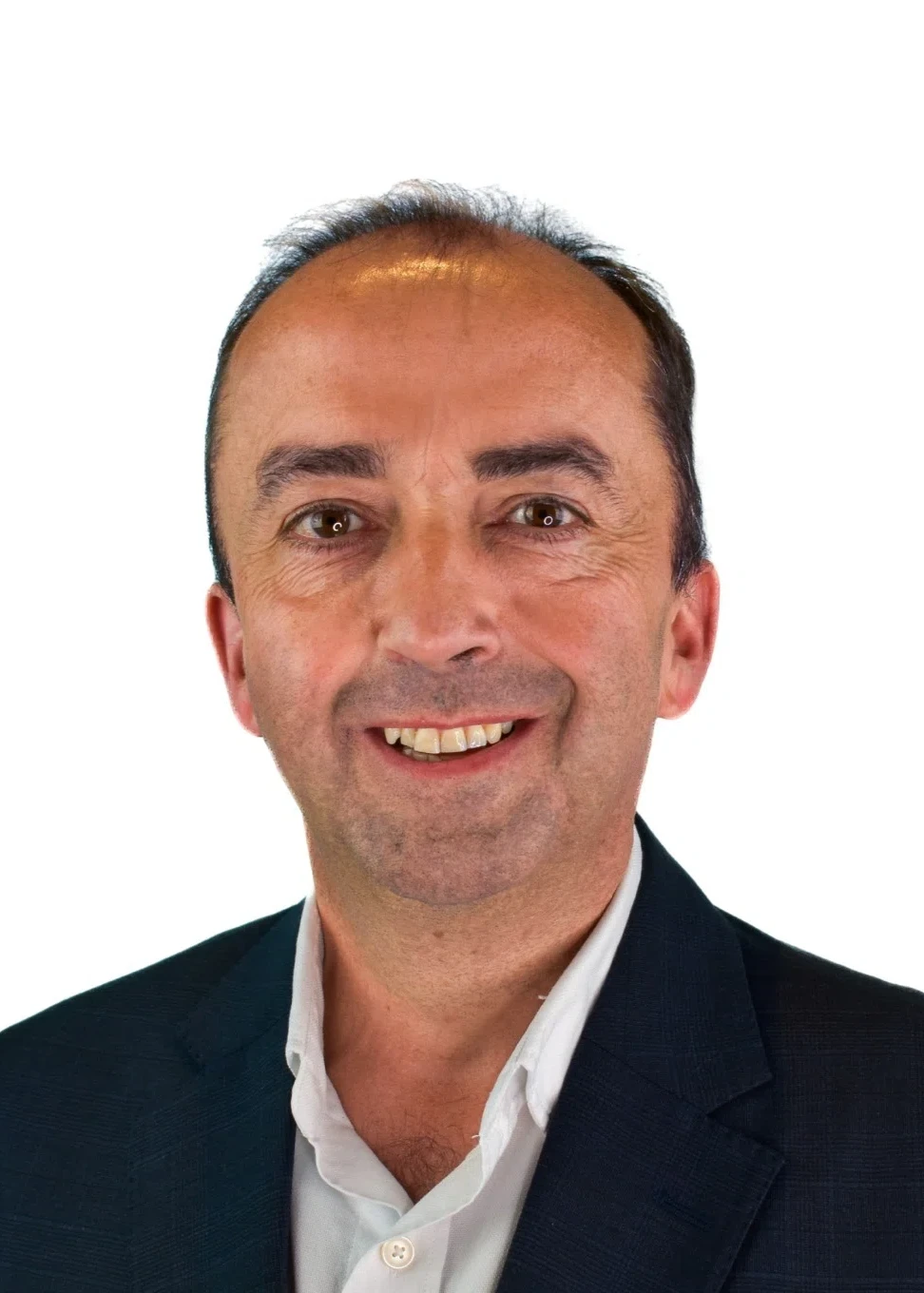
Justin Lane
Bio
Dr Justin Lane is on the Specialist Register of the Irish Medical Council, having completed the Irish Higher Specialist Training Programme in Anaesthesia, Pain Medicine and Intensive Care. He then completed a clinical fellowship in Chronic Pain at McMaster University, Hamilton, Ontario, where he gained further training and experience in managing chronic pain conditions using interventional and medical techniques. Dr Lane has also worked in Buffalo, New York, with Professor Romanth Waghmarae, who specialises in advanced interventional pain management and neuromodulation. Until recently he worked as a consultant in pain management and anaesthesia at Sligo University Hospital and the North West Hospice.
At Surgical Institute Dublin, Dr Lane provides interventional pain management procedures under local anaesthetic.
SecretaryFiona Dignam Allen
Consultant dermatologist and Mohs surgeon
Jennifer Boggs
Bio
Emailinfo@surgicalinstitute.ie
Consultant dermatologist
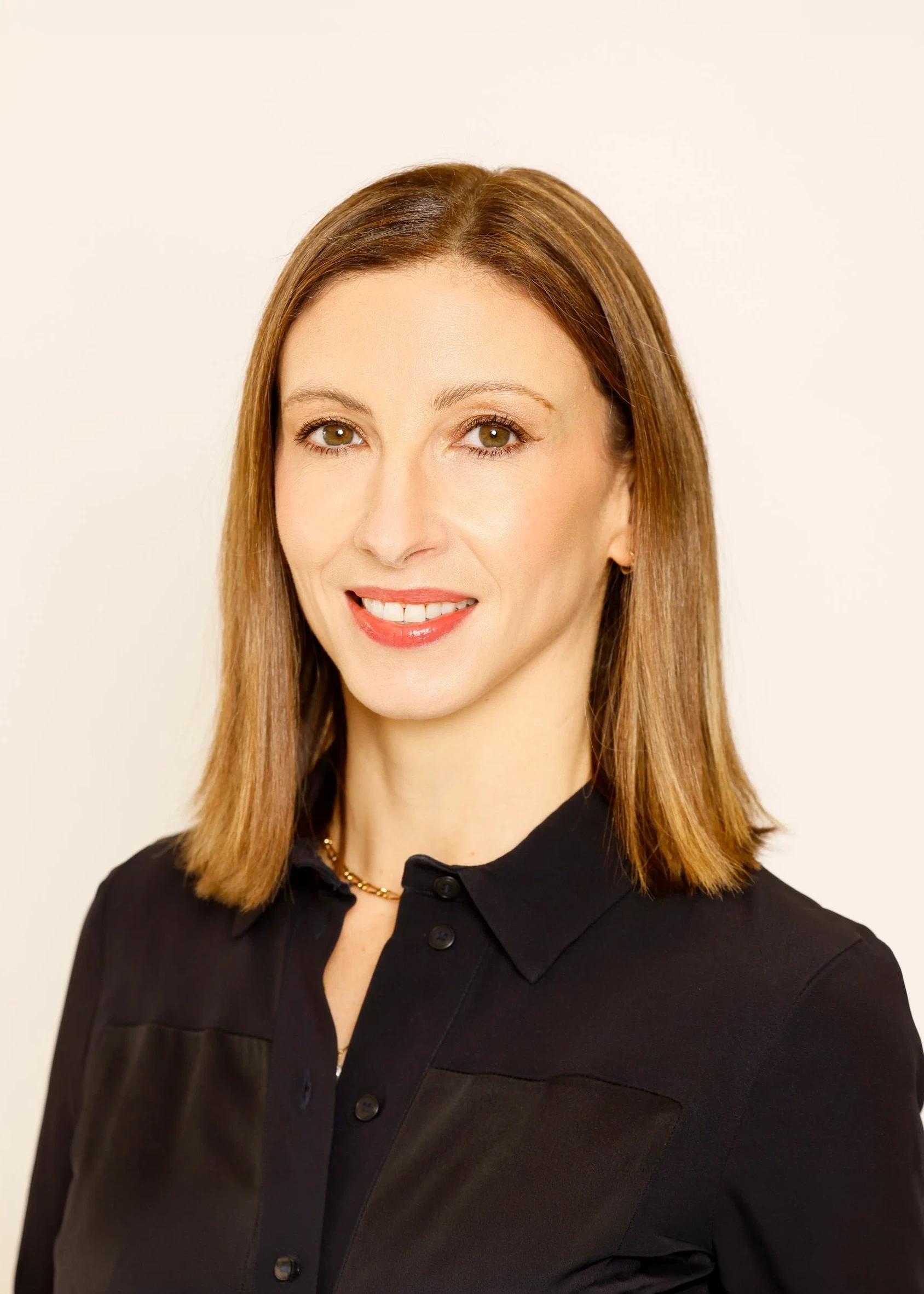
Róisín Hambly
Bio
Dr Róisín Hambly is a Consultant Dermatologist on the Specialist Register of the Irish Medical Council. She graduated with first-class honours from the National University of Ireland, Galway (NUIG) in 2007 and completed specialist GP training with the Irish College of General Practitioners (ICGP) before working as a GP in Dublin. She completed higher specialist training in dermatology through the Royal College of Physicians of Ireland (RCPI) and has worked as a Consultant Dermatologist at Our Lady of Lourdes Hospital, Drogheda.
At Surgical Institute Dublin, Dr Hambly assesses and surgically treats skin lesions, moles, cysts and skin cancers under local anaesthetic.
SecretaryAbby / Marie Louise
Consultant vascular surgeon
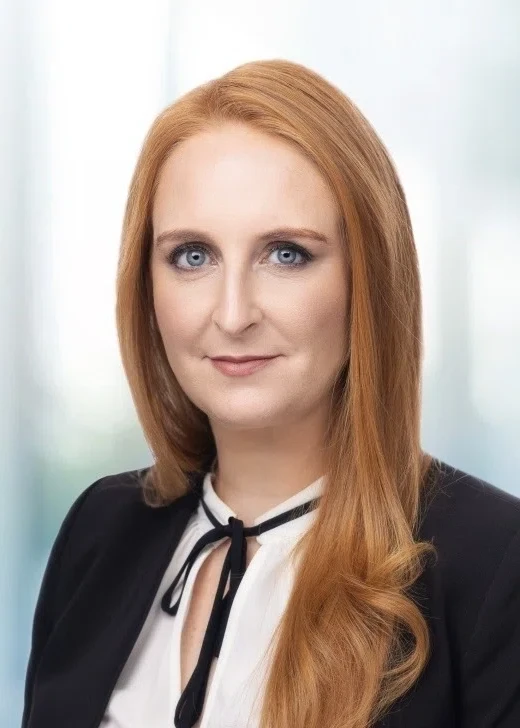
Hilary Hurley
Bio
Ms Hilary Hurley is a Consultant Vascular Surgeon at St Vincent's University Hospital, where she has practised since July 2021, and sees private patients at St Vincent's Private Hospital. She graduated from University College Dublin in 2002 and was awarded an MCh by research from University College Cork in 2009. She completed General Surgical Training in Ireland, with a focus on vascular surgery, in 2018. She also holds an MSc in Medical Education from Queen's University Belfast (2011) and an MSc in Human Factors in Patient Safety from the Royal College of Surgeons in Ireland (2021). Ms Hurley practises in all areas of vascular surgery, with a special interest in patient safety, quality improvement and surgical education.
At Surgical Institute Dublin, Ms Hurley provides minimally invasive treatment of varicose veins under local anaesthetic.
Consultant plastic, reconstructive and aesthetic surgeon
Colin Riordan
Bio
Mr Colin Riordan graduated from Trinity College Dublin in 1996 and obtained Membership in Surgery from the Royal College of Surgeons in 2000. He completed a Plastic Surgery Research Fellowship at Vanderbilt University School of Medicine, Nashville, USA (2000 to 2001), followed by Higher Surgical Training in Plastic, Reconstructive and Aesthetic Surgery (2001 to 2006).
At Surgical Institute Dublin, he provides skin lesion and skin cancer surgery, hand surgery and minor plastic surgical procedures under local anaesthetic. His wider practice in breast surgery is provided outside Surgical Institute Dublin.
SecretaryCaoimhe / Anita
Emailoffice.colin.riordan@blackrockhealth.com
Consultant radiation oncologist
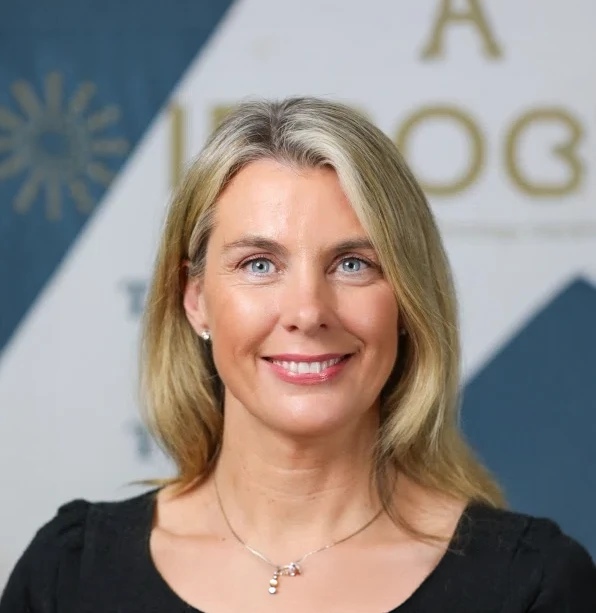
Sinead Brennan
Bio
Professor Sinead Brennan is a Consultant Radiation Oncologist at St Luke's Radiation Oncology Network and St James's Hospital, Dublin, with a clinical focus on head and neck, breast and skin cancers. She graduated from University College Cork in 2000, obtained MRCPI in 2002 and FFR RCSI in 2006, and completed specialist radiation oncology training in the St Luke's network. She held clinical research fellowships at the Peter MacCallum Cancer Centre, Melbourne, and the Royal Marsden Hospital, London. She is Director of Research at St Luke's Radiation Oncology Network, Clinical Lead of the Irish Radiation Research Oncology Group (IRROG), Clinical Associate Professor at Trinity College Dublin and Chair of the Cancer Trials Ireland Head and Neck Disease Subgroup.
At Surgical Institute Dublin, Professor Brennan contributes radiation oncology expertise to our fortnightly multidisciplinary team meeting, helping to plan care for patients with complex skin cancers.
SecretaryKaren Timmons
EmailSecretaryslronrathgar@slh.ie
Consultant plastic, reconstructive and aesthetic surgeon
Eamon Beausang
Bio
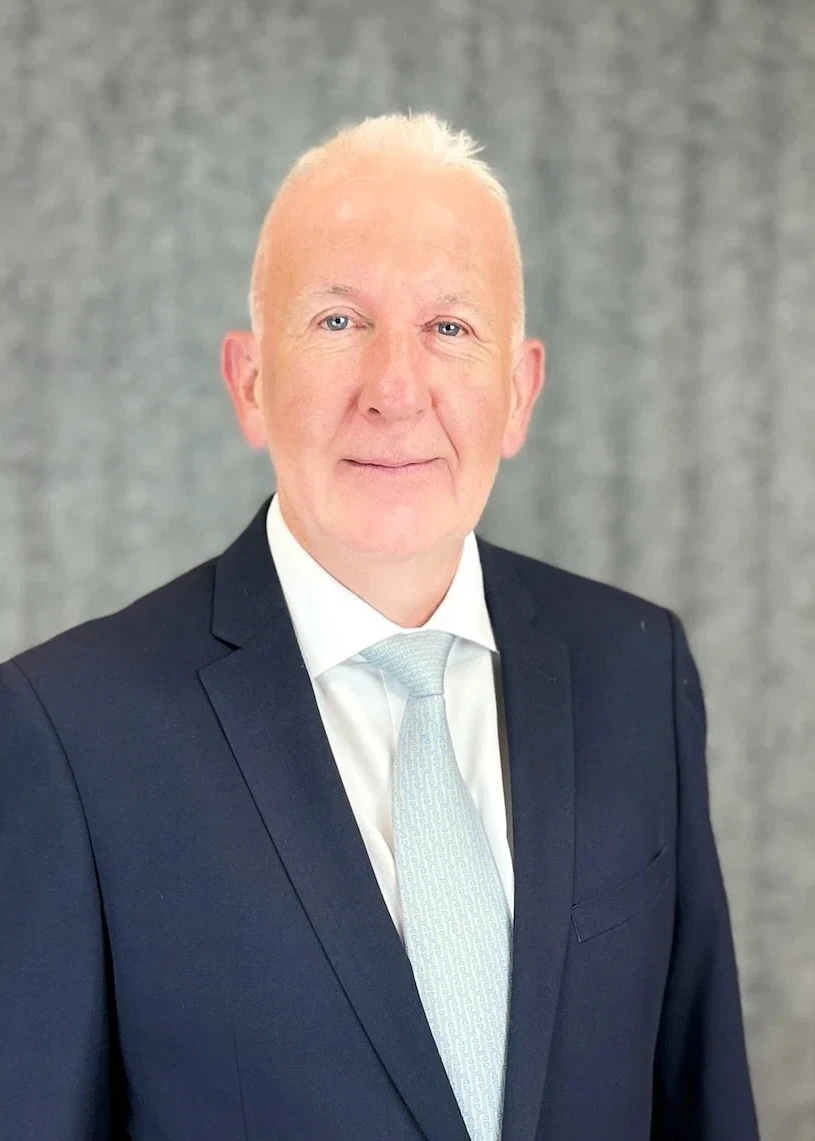
Mr Eamon Beausang is a fully accredited plastic surgeon on the Specialist Register of the Irish Medical Council. He specialises in the treatment of skin cancers and in head and neck reconstruction, and also undertakes general plastic surgery procedures including hand surgery and cosmetic surgery. He completed general and specialist registrar training in Ireland, an MD at the University of Manchester and a microsurgical fellowship in Toronto.
At Surgical Institute Dublin, he provides skin lesion and skin cancer surgery, hand surgery and minor plastic surgical procedures under local anaesthetic. His wider practice in head and neck reconstruction is provided outside Surgical Institute Dublin.
SecretaryCatriona O Donoghue
EmailEBeausang-sec@hermitageclinic.ie
Consultant dermatologist
Irene Timoney
Bio
Dr Irene Timoney is a Consultant Dermatologist on the Irish Medical Council Specialist Register. She graduated with a first-class honours medical degree from University College Dublin in 2008 and was awarded the Gold Medal in Psychiatry. She subsequently attained Membership of the Royal College of Psychiatrists (UK) before undertaking specialist training in Dermatology. Dr Timoney has worked in leading hospitals across Ireland, Australia and the United States, including the Mayo Clinic in Minnesota, and completed Higher Specialist Training in Dermatology through the Royal College of Physicians of Ireland. She practises as a Consultant Dermatologist at University Hospital Kerry and will shortly also practise at Bon Secours Hospital, Tralee. Committed to medical education, Dr Timoney has presented at national and international scientific meetings, including those of the Irish Association of Dermatologists, the British Association of Dermatologists and the European Academy of Dermatology and Venereology.
Her areas of clinical expertise include the diagnosis and management of melanoma, non-melanoma skin cancer, pre-malignant skin lesions, skin cancer surveillance and inflammatory skin diseases.
At Surgical Institute Dublin, Dr Timoney provides skin cancer and skin lesion consultations, including full-body skin examination and mole assessment.
Consultant dermatologist and Mohs surgeon
Nick Collier
Bio
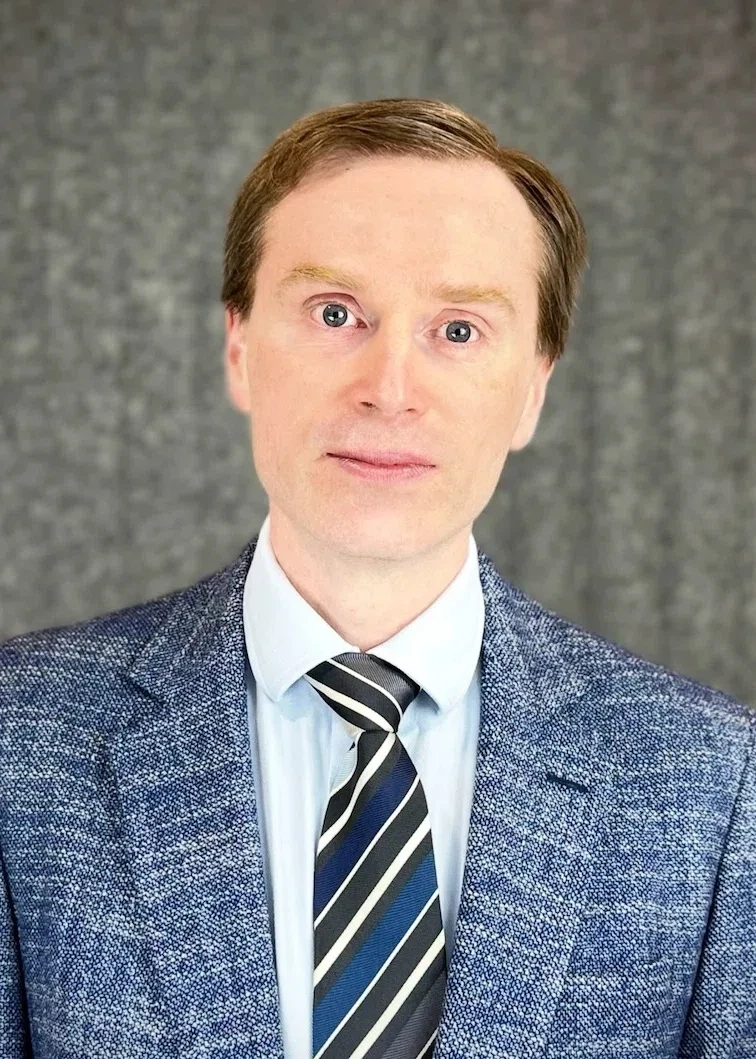
Dr Nick Collier is a Consultant Dermatologist and Mohs Micrographic Surgeon who specialises in skin cancer and dermatological surgery. He completed his dermatology training at world-renowned dermatology centres in London and Manchester. Dr Collier undertook advanced fellowship training in Mohs surgery at Oxford and has completed additional training in the USA. Since his appointment as a Consultant Dermatologist and Mohs Surgeon in 2019, he has delivered specialist surgical dermatology care in tertiary dermatology centres.
At Surgical Institute Dublin, Dr Collier provides skin cancer and skin lesion consultations, including full-body skin examination and mole assessment, and performs skin cancer and skin lesion surgery, including Mohs micrographic surgery, under local anaesthetic.
Emailoutpatientsclinic@beaconhospital.ie
Consultant dermatologist
Stephanie Menzies
Bio
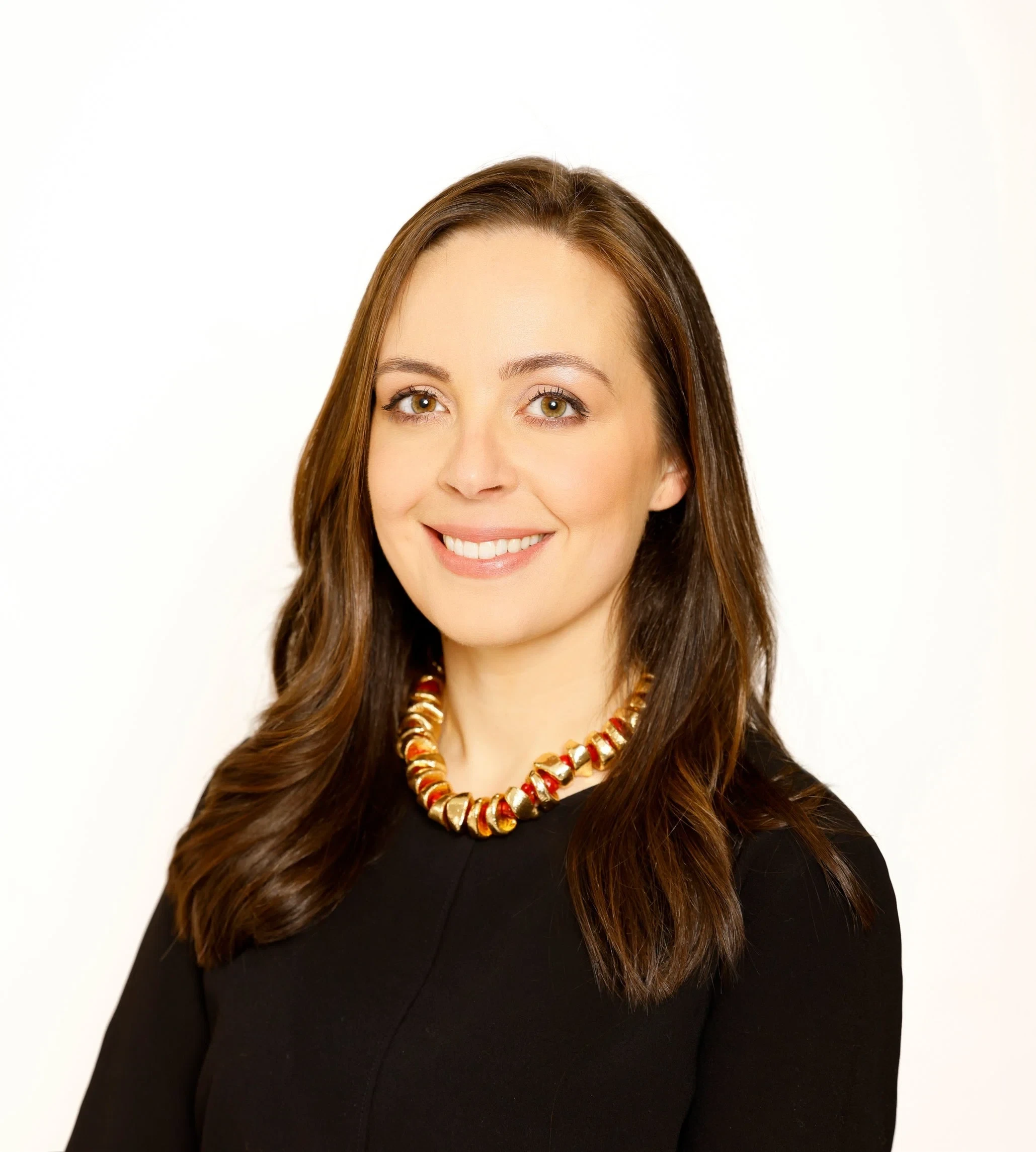
Dr Stephanie Menzies is a Consultant Dermatologist who completed her higher specialist training in dermatology in Ireland and was appointed as a consultant dermatologist in July 2023. She has a particular interest in skin cancer management.
At Surgical Institute Dublin, Dr Menzies assesses and surgically treats skin lesions, moles, cysts and skin cancers under local anaesthetic. Her wider practice in inflammatory skin conditions, hyperhidrosis and cosmetic treatments is provided outside Surgical Institute Dublin.
SecretaryApril/Dani
Emailsmenziesoffice@instituteofdermatologists.ie
Consultant dermatologist
Catriona Gallagher
Bio
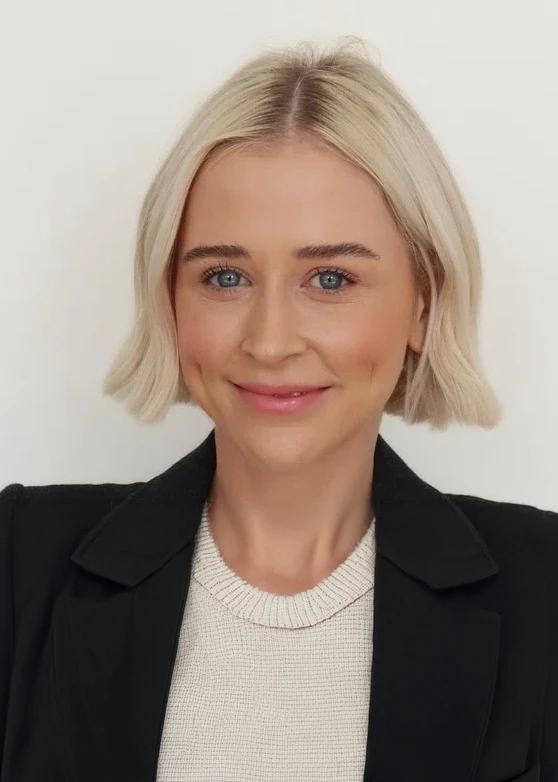
Dr Catriona Gallagher is a Consultant Dermatologist with subspecialty training in paediatric dermatology, with particular expertise in the surgical care of children as well as adults, and in the early detection and management of skin cancer. She graduated from Trinity College Dublin and completed Higher Specialist Training in Dermatology through the Irish dermatology training programme. She was awarded the prestigious Richard Steevens Fellowship, undertaking advanced subspecialty training in paediatric dermatology at Guy's and St Thomas' NHS Foundation Trust in London, an internationally recognised centre of excellence.
At Surgical Institute Dublin, Dr Gallagher surgically treats skin lesions, moles, cysts and skin cancers under local anaesthetic. Her wider practice in inflammatory and paediatric skin conditions is provided outside Surgical Institute Dublin.
SecretaryMary Ryan
Emailinfo@gallagherdermatology.ie
Consultant dermatologist
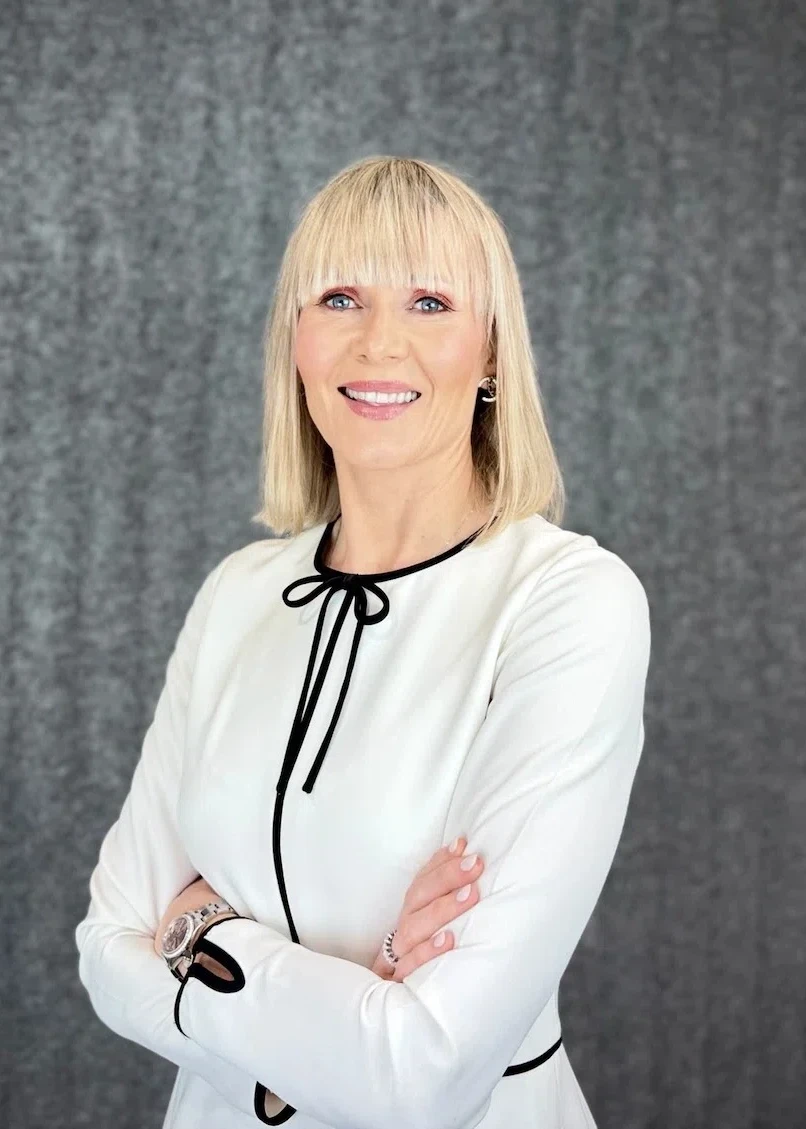
Nicola Ralph
Bio
Professor Nicola Ralph, MB BCh BAO, FRCPI, is a Consultant Dermatologist and co-founder of the Institute of Dermatologists and Surgical Institute Dublin. She graduated with honours from the Royal College of Surgeons in Ireland and completed her specialist training in Dermatology in Ireland, developing subspecialty expertise in photodermatology and photoallergy.
From 2014 to 2019, Professor Ralph led the National Photobiology Unit at Mater Misericordiae University Hospital. She is an Assistant Professor at University College Dublin and serves as Academic Supervisor for Dermatology training at the Royal College of Surgeons in Ireland.
Professor Ralph has a particular interest in skin cancer diagnosis, dermatological surgery, and the management of complex medical skin conditions.
At Surgical Institute Dublin, she performs the surgical removal of skin lesions, moles, cysts and skin cancers under local anaesthetic, providing patients with expert, evidence-based care in a dedicated surgical setting.
SecretaryDanielle and Alejandra
Consultant radiation oncologist
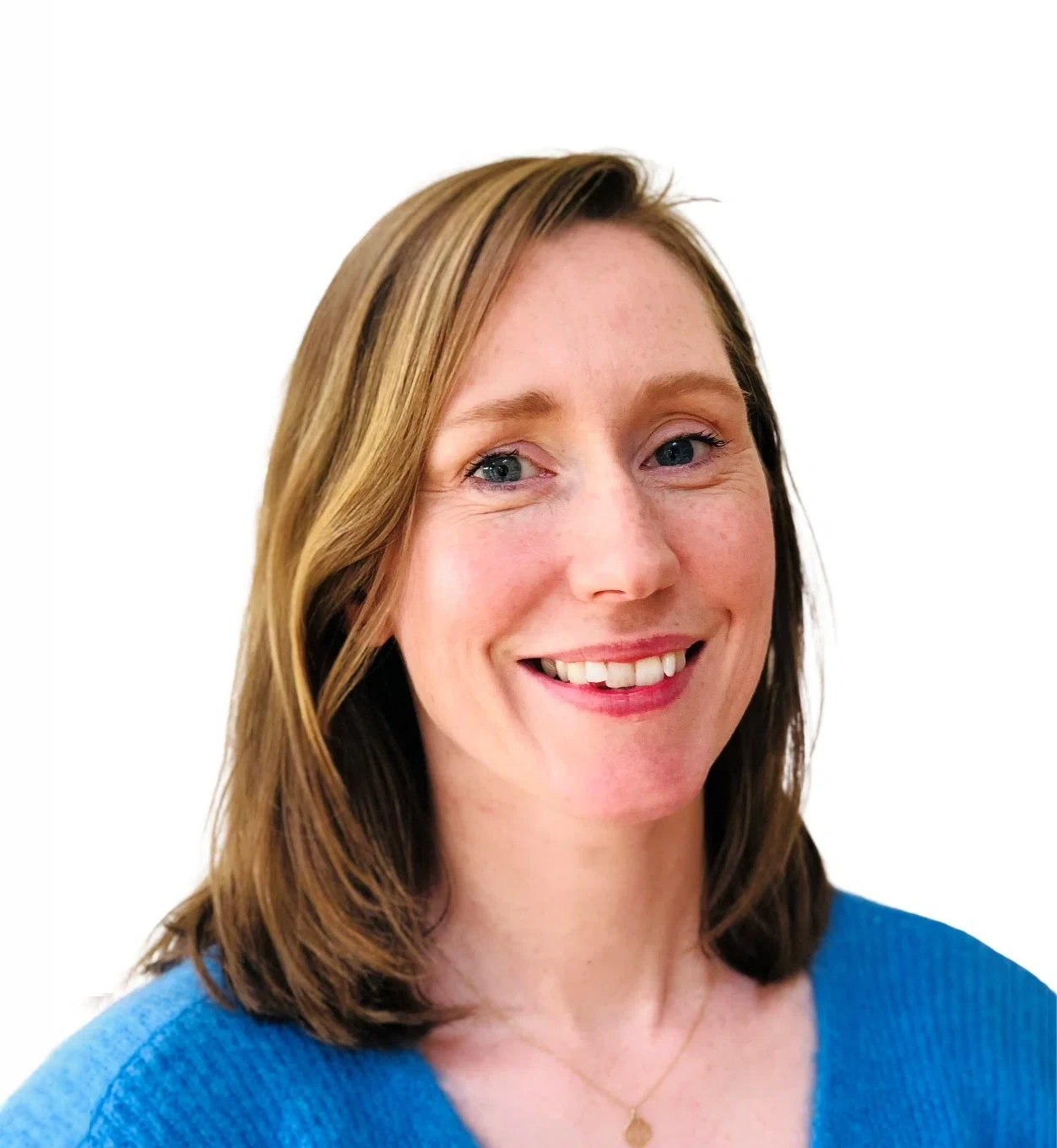
Siobhra O’Sullivan
Bio
Dr Siobhra O'Sullivan is a Consultant Radiation Oncologist at Beacon Hospital, Dublin. She graduated from Trinity College Dublin, where she was a Foundation Scholar. She completed general medical training at St James's Hospital, Tallaght University Hospital and the Royal Free Hospital, London, and specialist radiation oncology training at St Luke's Radiation Oncology Network and Galway University Hospital. She completed fellowship training in stereotactic radiotherapy, including a 2018 fellowship at Dana-Farber/Brigham and Women's Cancer Center, Boston, funded by the Donal Hollywood Travelling Fellowship, and developed the spine stereotactic radiotherapy programme at St Luke's and Beaumont Hospital. Her clinical interests include breast cancer, brain and spine metastases and stereotactic radiotherapy for oligometastatic disease. She is an active member of Cancer Trials Ireland.
At Surgical Institute Dublin, Dr O'Sullivan contributes radiation oncology expertise to our fortnightly multidisciplinary team meeting, helping to plan care for patients with complex skin cancers.
EmailRadiotherapy@beaconhospital.ie
Consultant plastic, reconstructive and aesthetic surgeon
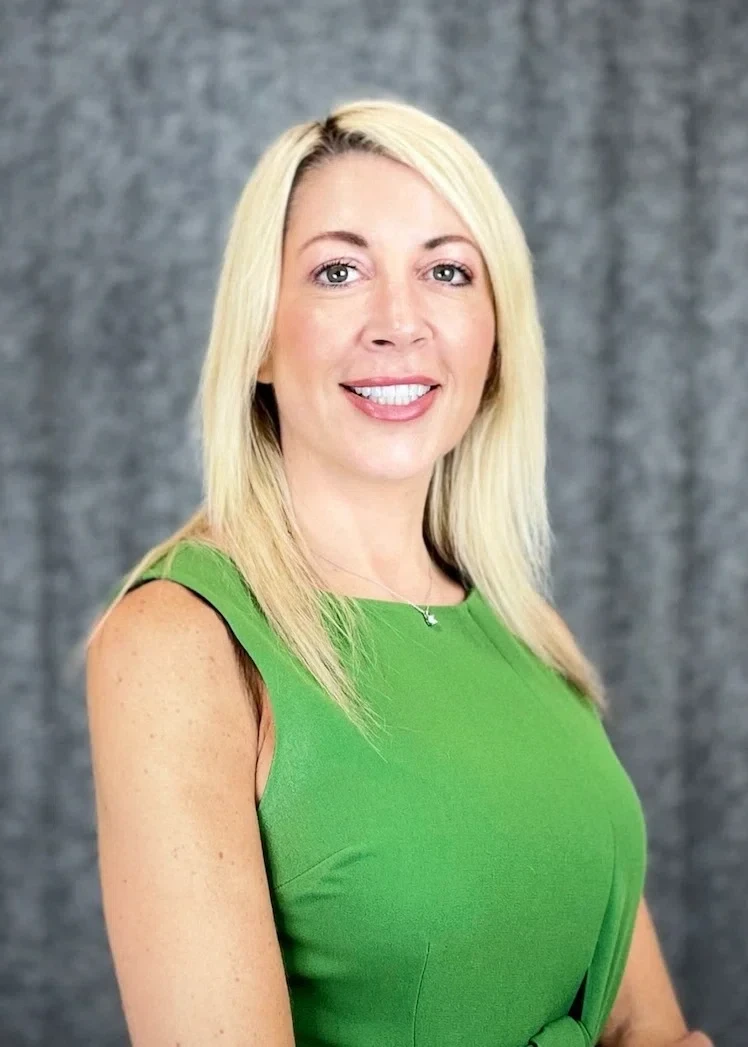
Serena Martin
Bio
Ms Serena Martin is a fully accredited plastic, reconstructive and aesthetic surgeon on the General Medical Council (GMC) Specialist Register for plastic surgery. After graduating with honours in Medicine from Queen's University Belfast, Ms Martin undertook comprehensive surgical training across Northern Ireland, Oxford, Manchester and London, including prestigious fellowships in cleft and paediatric plastic surgery and a BAAPS aesthetic mentorship.
At Surgical Institute Dublin, Ms Martin provides skin lesion and skin cancer surgery and minor plastic and aesthetic surgical procedures under local anaesthetic. Her wider practice in cleft lip and palate surgery and aesthetic surgery is provided outside Surgical Institute Dublin.
Consultant medical oncologist
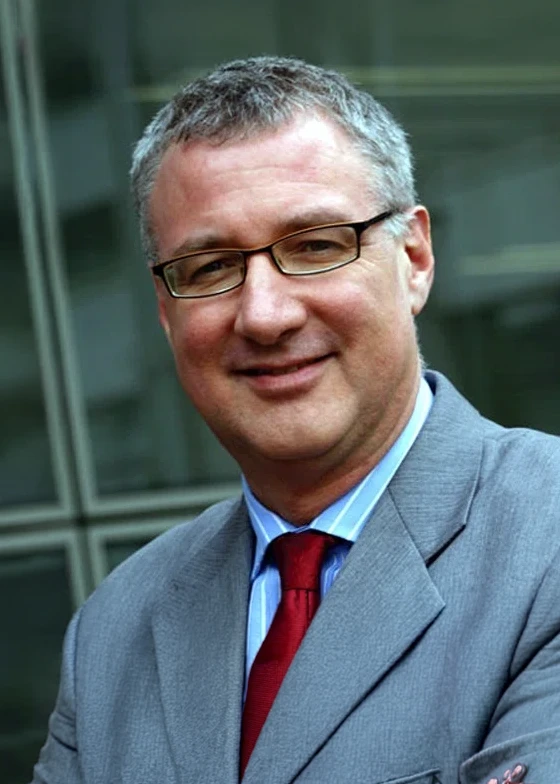
John Crown
Bio
Professor John Crown is a Consultant Medical Oncologist at St Vincent's University Hospital and St Vincent's Private Hospital, Dublin. He trained in medicine at University College Dublin and the State University of New York, with further training at Guy's Hospital, London, and St James's Hospital, Dublin. He completed an oncology fellowship at Mount Sinai Medical Center, New York, and a haematology and oncology fellowship at Memorial Sloan Kettering Cancer Center. He was an Assistant Professor at Weill Cornell Medical College before returning to Dublin in 1993. His clinical interest is breast cancer. He founded the Clinical Trials Unit at St Vincent's University Hospital and the Irish Co-operative Oncology Research Group (ICORG), and chairs Molecular Therapeutics for Cancer Ireland.
At Surgical Institute Dublin, Professor Crown contributes medical oncology expertise to our fortnightly multidisciplinary team meeting, helping to plan care for patients with complex skin cancers.
Consultant dermatologist and Mohs surgeon
Benvon Moran
Bio
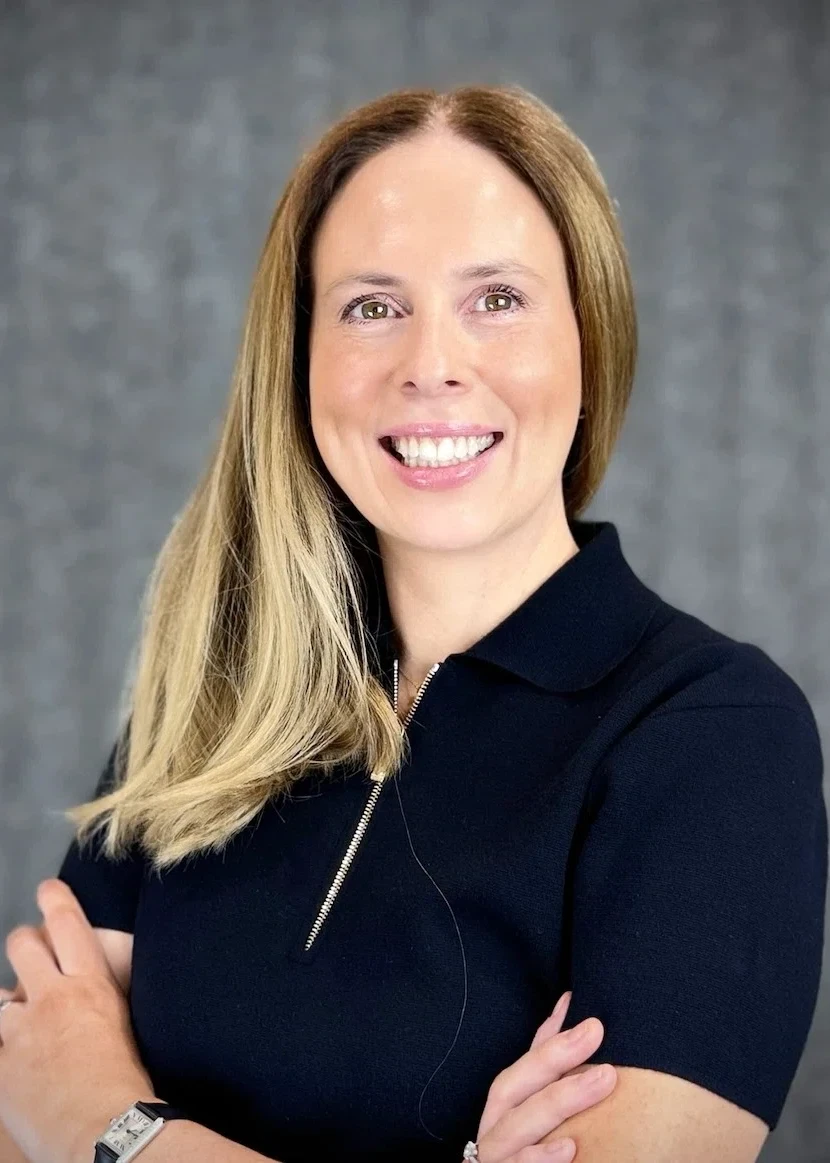
Dr Benvon Moran, MB BMedSc FRCPI FACMS, is a Consultant Dermatologist and Dermatologic and Mohs Micrographic Surgeon, working at St James's Hospital, Hermitage Medical Clinic, Blackrock Clinic and the Institute of Dermatologists. Dr Moran set up the first Mohs surgery service in Southeastern Ontario, at Queen's University, Canada, where she practised for five years as an Assistant Professor of Dermatology, before returning to Dublin. She completed an American College of Mohs Surgery Fellowship in Mohs micrographic surgery, advanced dermatologic surgery and cutaneous oncology at the University of British Columbia, Vancouver. She is a member of the American College of Mohs Surgery, American Academy of Dermatology, British Society for Dermatological Surgery, Canadian Society for Dermatologic Surgery, Canadian Dermatology Association and Irish Association of Dermatologists. Dr Moran specialises in all aspects of skin cancer screening, diagnosis and surgical management.
At Surgical Institute Dublin, she provides skin cancer and skin lesion surgery, including Mohs micrographic surgery, under local anaesthetic.
SecretarySinead Morgan
Emailbenvon.moran@blackrockhealth.com
Consultant plastic, reconstructive and aesthetic surgeon
Carmen Torre Beltrami
Bio
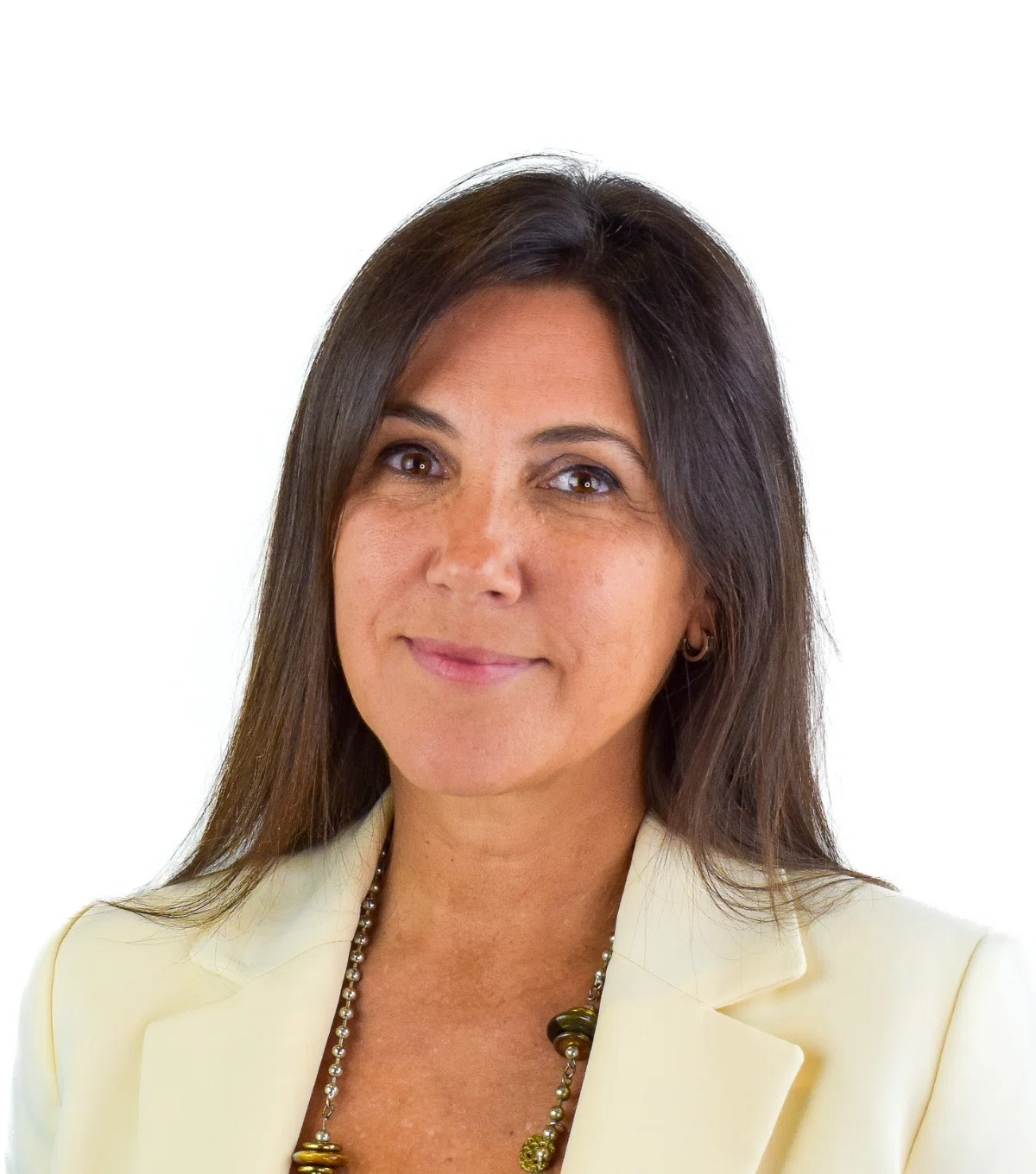
Dr Carmen Torre Beltrami graduated in medicine from the University of Cádiz in 1998, first in her class. After passing the MIR exam (for access to specialist training in Spain), she entered the Spanish Specialist Training Programme in Plastic, Aesthetic and Reconstructive Surgery at Hospital Virgen del Rocío, Seville, and qualified as a specialist plastic surgeon in 2004. She went on to complete an Expert qualification in Health Management and multiple courses focused on flaps and breast reconstruction. She has developed her interest in breast reconstruction and general breast surgery, working closely with breast surgeons to offer each patient the best option for their circumstances. She has also worked closely with dermatologists, offering surgery and reconstruction for skin cancers, as well as ear reconstruction.
At Surgical Institute Dublin, Dr Torre Beltrami provides skin lesion and skin cancer surgery, including reconstruction, under local anaesthetic. Her wider practice in breast surgery and major reconstruction is provided outside Surgical Institute Dublin.
SecretaryElizabeth Durran (St James’s Hospital)
No specialists match your search.
Centre of excellence
Every consultation, procedure, and follow-up at Surgical Institute Dublin is delivered by a specialist consultant.
Surgical Institute Dublin offers the only private Mohs micrographic surgery capacity currently available in Dublin, alongside a full range of advanced procedural and surgical techniques. Our facility has been designed specifically for complex skin surgery, allowing our consultants to deliver gold standard care in an ambulatory setting.
Dermatology has one of the longest waiting lists in Ireland. Surgical Institute Dublin has been built to ease that pressure, offering dedicated See & treat pathways, direct access clinics, and rapid scheduling so patients are seen, diagnosed, and treated without unnecessary delays.
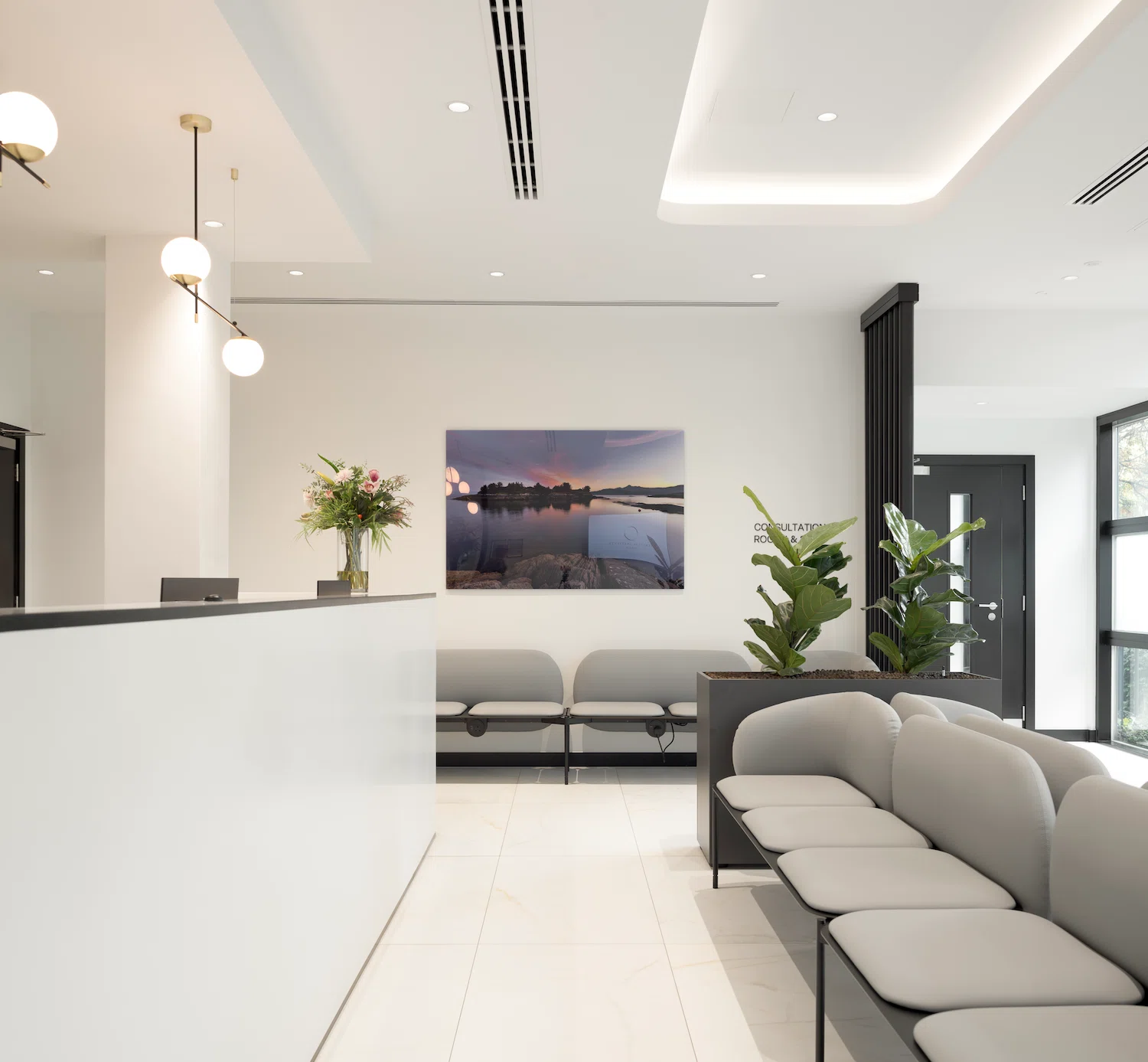
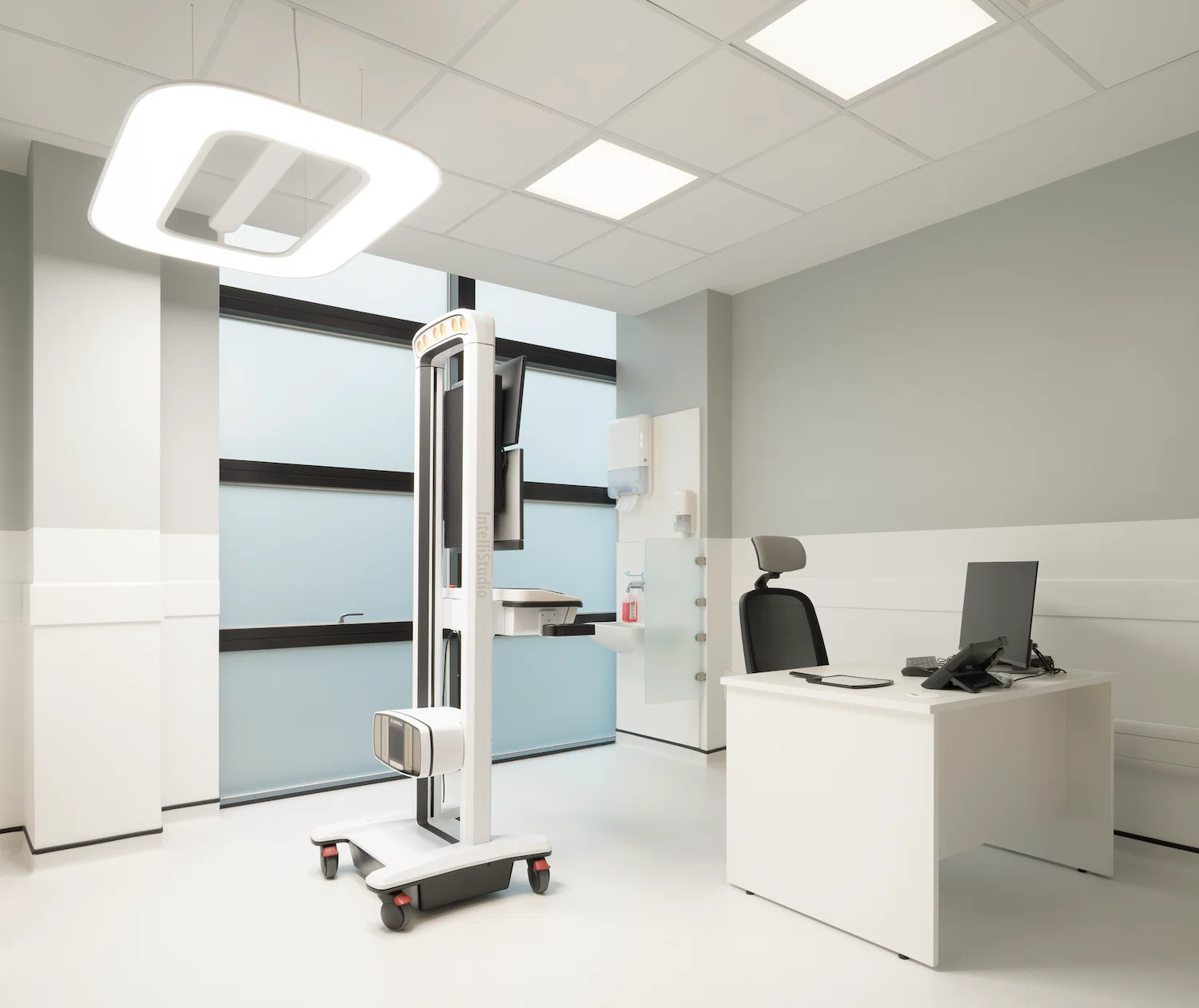
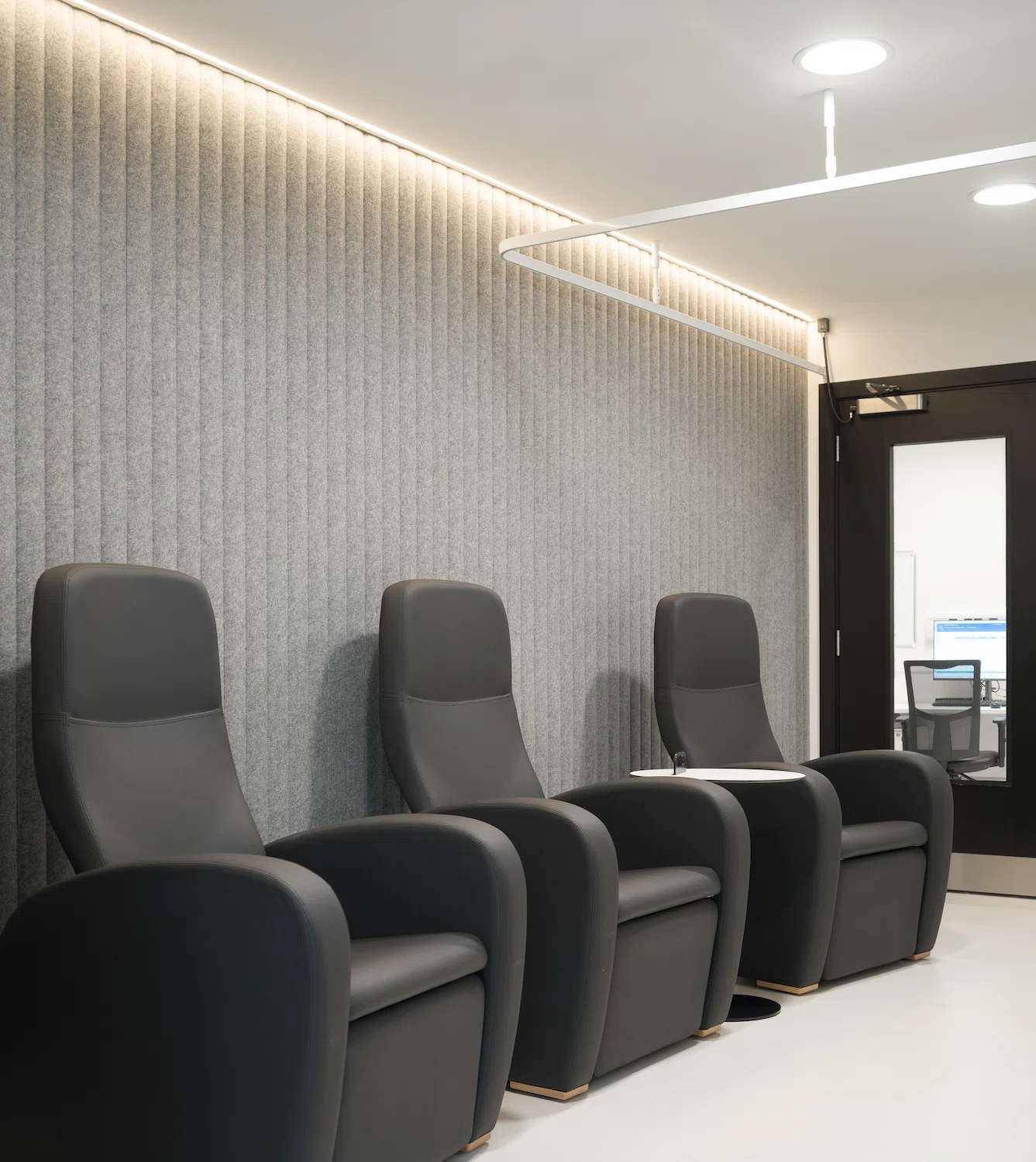
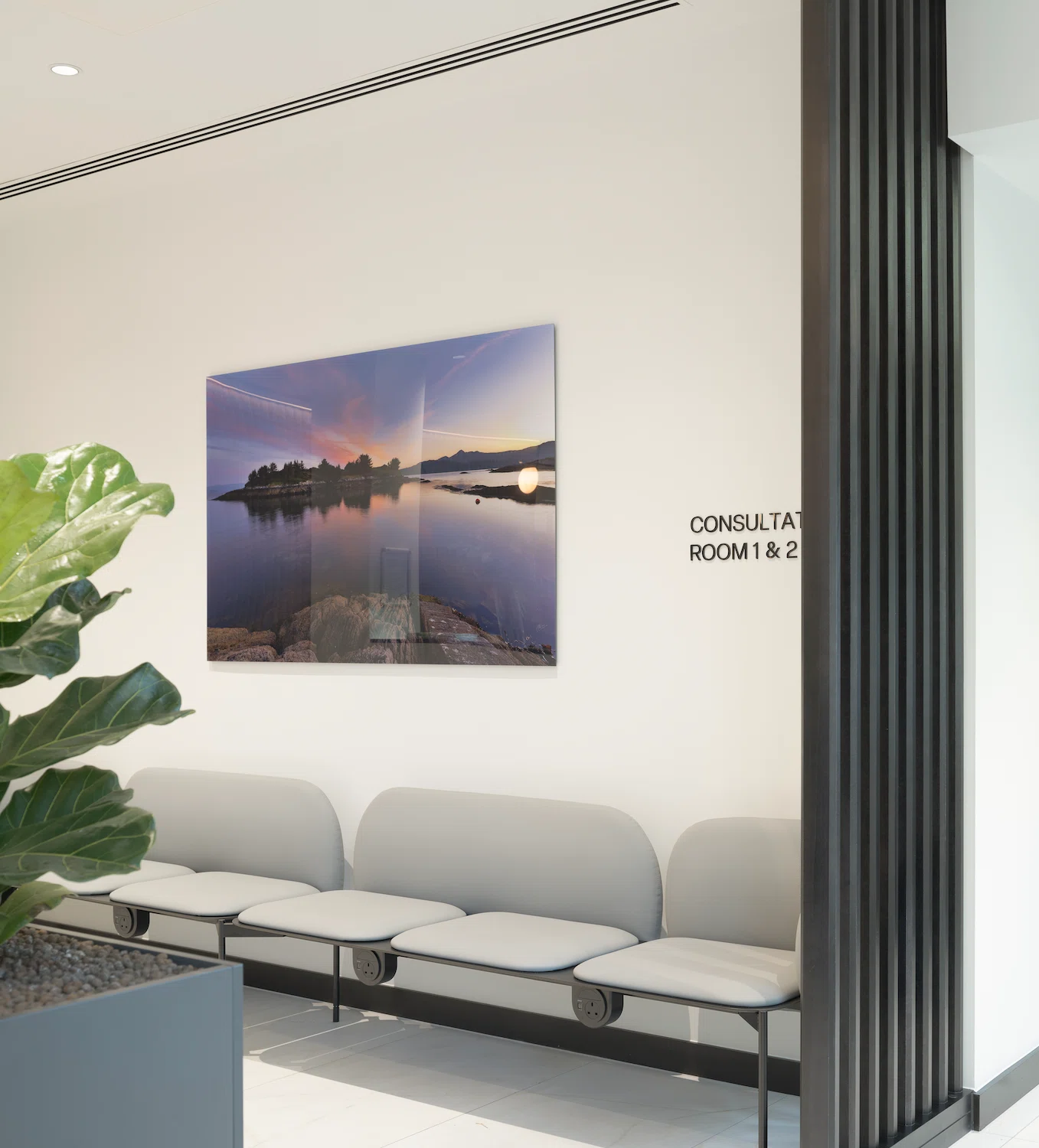
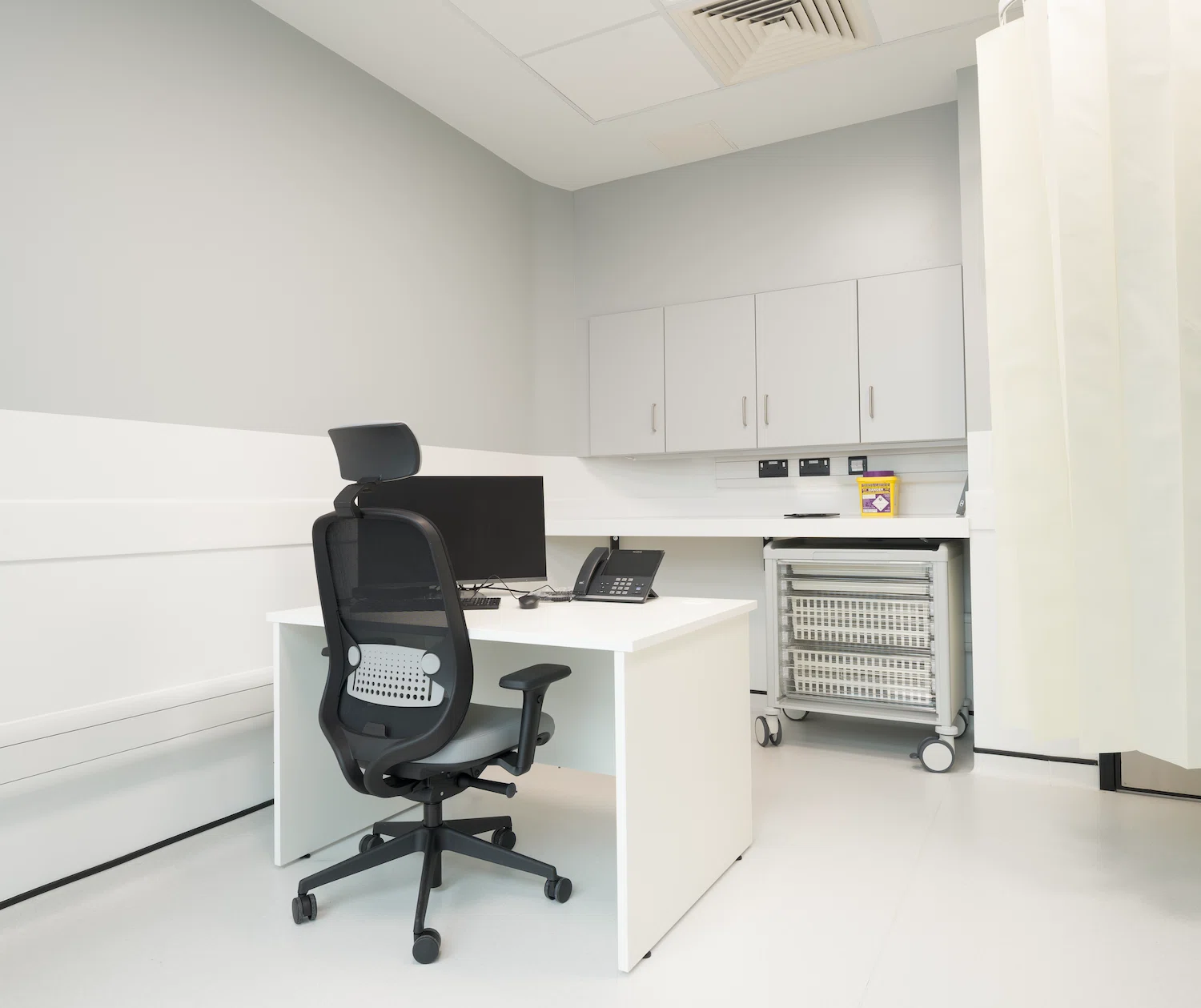
Our Ballsbridge facility has been designed from the ground up for advanced dermatological surgery. Four minor procedure theatres, a dedicated Mohs laboratory, a recovery area, and consultant-led clinic rooms sit under one roof, giving patients a seamless, modern experience in the heart of the city.
Surgical Institute Dublin brings together leading consultants across dermatology, Mohs surgery, plastic surgery, ophthalmology, pathology, medical oncology, pain management, radiology, vascular surgery and orthopaedics, working collaboratively on every case. This multidisciplinary approach means treatment decisions are made by the right specialists at the right time, with patient outcomes at the centre of every conversation.
Patient reviews

Surgical Institute Dublin is a very professional organisation providing excellent care in a purpose built facility. I was particularly impressed with the ‘See and Treat‘ consultation process and the exceptional people I encountered there!
Fantastic service from start to finish. Was able to book and be seen in short order, which is a rarity in Irish healthcare! Staff were very friendly and welcoming. Overall top quality experience.
Would highly recommend the new Surgical Institute Dublin! I was very worried about a skin lesion on my head and was amazed at how quickly they got me in for an appointment. The facility is completely modern and state-of-the-art. One of the best facilities in Europe!
It was incredibly convenient to be able to see a top dermatologist and a plastic surgeon all in the same visit. Fantastic, efficient care.
Excellent experience. Very accessible, staff excellent and I was able to get treated straight away after my consultation.
Very easy process from booking to consultation and procedure. Lovely staff, professional and efficient service. Clean and modern facilities. Couldn’t fault the place.
This see-and-treat service is absolutely fantastic! I was very impressed with the whole experience. Dr Jennifer Boggs and Dr Serena Martin were both kind, lovely and highly professional. I had my full body mole check and a small procedure done in one visit. The service was incredibly efficient. Such a great time saver! All the staff were friendly, smiling and welcoming! Highly recommend!